Buying a house in the Highlands from abroad, or elsewhere in the UK
Buying a house in the Highlands from abroad, or from another part of Scotland or the UK, usually begins with a pull towards a place: a stretch of coast, a glen, a town the family once called home, or simply the idea of a different life.
Much of the Scottish buying process lends itself well to distance, with offers and legal work carried by a solicitor on your behalf. What distance cannot give you is a real feel for the house and its surroundings: the views, the smells, the approach, the neighbouring properties and whether it feels like somewhere you could live. Those details matter all the more when you are buying from afar.
Why the Highlands draw buyers from far away
For many buyers, the pull of the Highlands is personal. Some are returning to a place their family left generations ago, some first came on holiday and never stopped thinking about it, some have never visited at all but have long felt drawn to Scotland, and others want more space and a gentler pace of life than a city can offer.
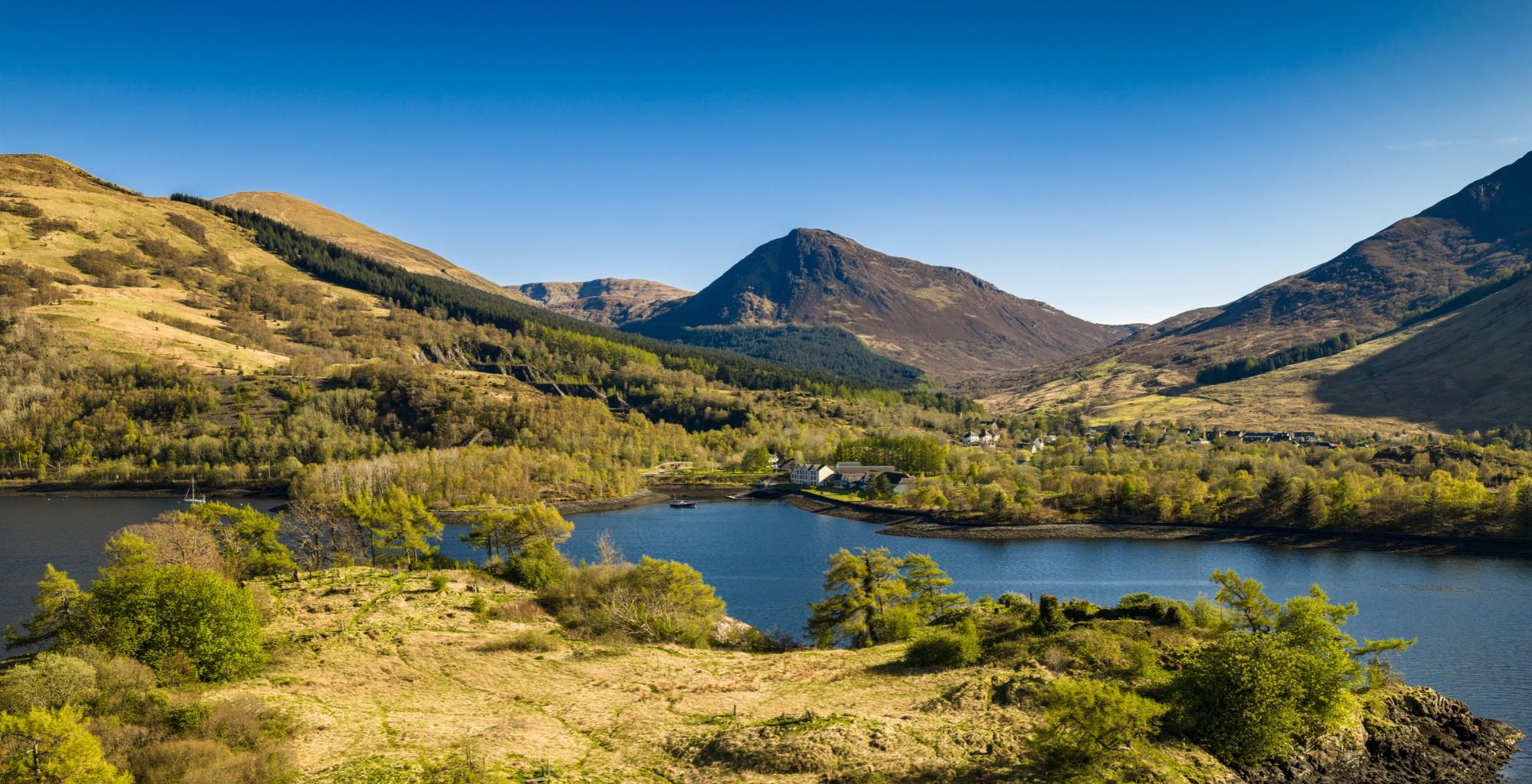
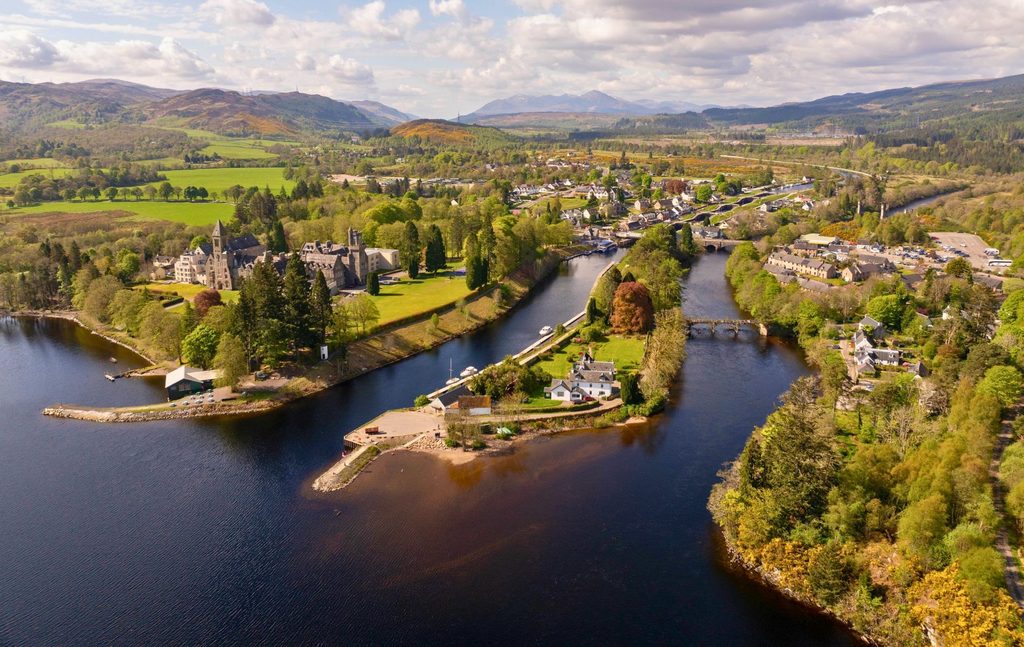
In our experience, what they find is a region of real variety, from Inverness, with its airport and rail links south, to the beaches and links courses of the east coast, the sea lochs and island views of the west and the open country of Caithness and Sutherland.
Many Highland towns and villages have a strong sense of community, and becoming involved in local life can be an important part of settling in. Flexible working, meanwhile, has made a Highland home a practical base for many who could once only visit.

A video viewing is a good place to begin, showing the layout, the light in the main rooms and the finish of kitchens and bathrooms, and it lets you move quickly from a long list to a short one.
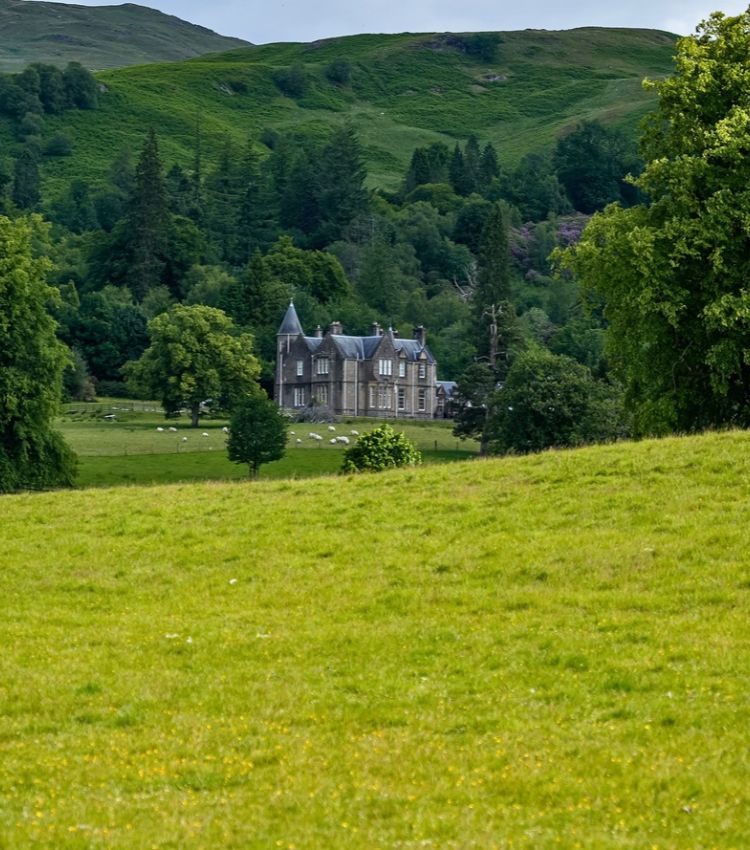
What it cannot fully convey is the setting, and in the Highlands the setting is much of the point. The way a house sits against the hill, the view from the kitchen as the weather moves through, the approach road and the land around it all shape daily life, and they are best judged in person, along with how well a phone holds its signal inside thick stone walls.
Where a visit is possible, the most effective approach to buying a house in the Highlands from abroad is usually one well-planned trip rather than several tentative ones. Distances across the region are generous, and island homes run to ferry timetables that change with the seasons, so a tight shortlist makes every day count.
Our guides to the best places to live in the Highlands and the West Coast of Scotland help with that narrowing.
Not everyone can make the trip, and some buyers go ahead without seeing the house. That can work when it rests on someone on the ground whose judgement you trust, with independent surveys and legal checks carrying even more weight than usual.
When a second look would help and a return trip is impractical, a property finder can go back on your behalf. They can walk the boundary, drive the road at the hour you would use it and follow up due diligence in person, from the water supply to the condition of outbuildings, and give you an honest assessment of the property and its setting.
The Home Report, and what to check remotely beyond it
One of the quiet advantages of buying in Scotland is that most homes come to market with a Home Report, commissioned and paid for by the seller. Its survey and valuation, Energy Performance Certificate (EPC) and owner’s questionnaire give a distant buyer a detailed picture of the house before booking a flight. It does not cover everything, though, and some properties call for specialist surveys, such as drainage, timber or structural reports.
For a rural home, the Home Report is a starting point rather than the whole picture.
Lenders generally lend against that valuation, subject to their own criteria, so where an agreed price goes above it, the difference usually comes from the buyer’s own resources.
Many Highland homes have a self-sufficiency that is part of their character, with water from a spring or borehole, drainage to a private septic tank that may require SEPA authorisation, and often a road of their own. A local eye on your behalf can see what a listing cannot: where the water comes from and who shares it, how the road fares in winter, how the house sits in relation to nearby burns and shore, the likely scope of any renovation, and whether mobile and broadband coverage holds up inside the house.
SEPA’s flood maps add context, showing the likelihood of flooding across an area rather than for an individual house, and a specialist report can help where the picture is unclear. Your solicitor, meanwhile, will investigate the legal rights relating to the water supply, drainage and access, along with building warrants for any past alterations, and our guide to rural life in the Highlands picks up where these checks leave off.
Closing dates and missives: buying from another time zone
When the right house appears, your solicitor or a buying agent acting for you notes your interest with the selling agent. The note of interest commits no one, but without it there is no guarantee you will hear if a closing date is set.
If others are interested, the selling agent may set a closing date, a deadline by which written offers must be lodged through solicitors. Closing dates run on UK time and can be set at short notice.
With price and conditions agreed in advance, your solicitor can submit the offer on time, wherever you are.
The seller is not obliged to accept the highest offer, or any offer, and may accept one before a closing date is set.
Individuals can buy property in Scotland whatever their nationality or residency, and instructing a solicitor qualified in Scots law early is one of the best things you can do when buying a house in the Highlands from abroad, since identity and funding checks take longer across borders. Our guide to buying property in Scotland sets out each step, and as owning a home here is separate from any right to live in the UK, moving to Scotland from America covers relocation.
Once an offer has been accepted, the solicitors exchange formal letters known as missives, and when all the terms are agreed and the missives concluded, the purchase becomes legally binding. For overseas buyers, much of this is handled remotely.
With the necessary documents signed and funds in place, the purchase completes on the agreed date of entry, and once settlement has taken place the keys can be collected by you or by someone acting on your behalf.
The Additional Dwelling Supplement: why a home anywhere counts
The Additional Dwelling Supplement, or ADS, is an addition to Land and Buildings Transaction Tax, and the rule that matters most to distant buyers is about what you already own. It may apply where the buyer, or any joint buyer, already owns a residential property anywhere in the world and is not replacing their main residence, and property owned by a spouse, civil partner or cohabitant, or by dependent children, can also count.
For UK relocators buying a new main home before selling the last, ADS may be payable at purchase, with repayment possible if the previous main residence is sold within 36 months and the other qualifying conditions are met, including the new home becoming your main residence. Your solicitor will confirm how this applies to you, and Revenue Scotland’s guidance sets out the rules in full.
Eyes on the ground
Much of what a distant buyer needs comes down to having someone local in their corner. Born and raised on the Black Isle, Marie Wood, Garrington’s property finder for the region, has extensive knowledge of the Highlands and Islands. She sources suitable properties, views them on clients’ behalf, carries out due diligence, arranges surveys and works closely with selling agents and solicitors to keep things moving.
For one client based overseas and new to the Scottish market, Marie began with an area analysis that narrowed a wide search to a few well-suited locations. Due diligence on the shortlisted homes covered flood risk, likely renovation costs and planning history, alongside introductions to legal, tax and currency exchange specialists experienced with international buyers, and the house the client chose was secured within budget with only light renovation needed.
Local knowledge and Garrington’s network of industry professionals can also open the door to off-market property in Scotland, widening the choice for a buyer who cannot browse in person.
If you are considering buying a house in the Highlands from abroad, or from elsewhere in the UK, Marie would welcome a conversation about the places you have in mind.
Please get in touch for a no-obligation discussion about your requirements.
Buying a house in the Highlands from abroad: your questions answered
Can you buy a house in the Highlands from abroad without viewing it?
Yes. Individuals can buy property in Scotland whatever their nationality or residency, and the purchase can be completed through a Scottish solicitor without the buyer being present. Buying unseen is a different matter: a video tour shows the house but not its exposure, access road or mobile signal, so most distant buyers make one well-planned visit or have a local buying agent view on their behalf.
Do you need a Scottish solicitor to buy a house in the Highlands?
In practice, yes. Most purchases are handled by a solicitor qualified in Scots law, who submits formal offers and concludes missives, while notes of interest usually go through your solicitor or a buying agent acting for you. Instructing a solicitor before you start viewing means identity and source-of-funds checks can be complete in time to act on a closing date.
How do closing dates work if you’re buying from abroad?
When more than one buyer notes interest, the selling agent may set a closing date: a deadline by which written offers must be lodged through solicitors. The deadline is set in UK time, so overseas buyers need their price and conditions agreed with their solicitor in advance. The seller is not obliged to accept the highest offer, or any offer.
Do overseas buyers pay extra tax on a house in the Highlands?
Scotland has no surcharge for overseas buyers. The tax to be aware of is the Additional Dwelling Supplement, which may apply if you, or anyone buying with you, already own a residential property anywhere in the world and are not replacing your main residence. A Scottish solicitor can confirm whether it applies to your purchase.
What should you check when buying a remote Highland house?
Beyond the Home Report, confirm the source of the water supply and who shares it, whether the septic tank has any SEPA authorisation it needs, your right of access along the road, how responsibility for its upkeep is shared and how it fares in winter, and the mobile and broadband coverage at the property itself. It is also worth checking how far the house is from shops, schools, healthcare and other everyday services, which can be a longer drive than a map suggests.