Property in Perthshire: Choosing Where to Live and Buying Well
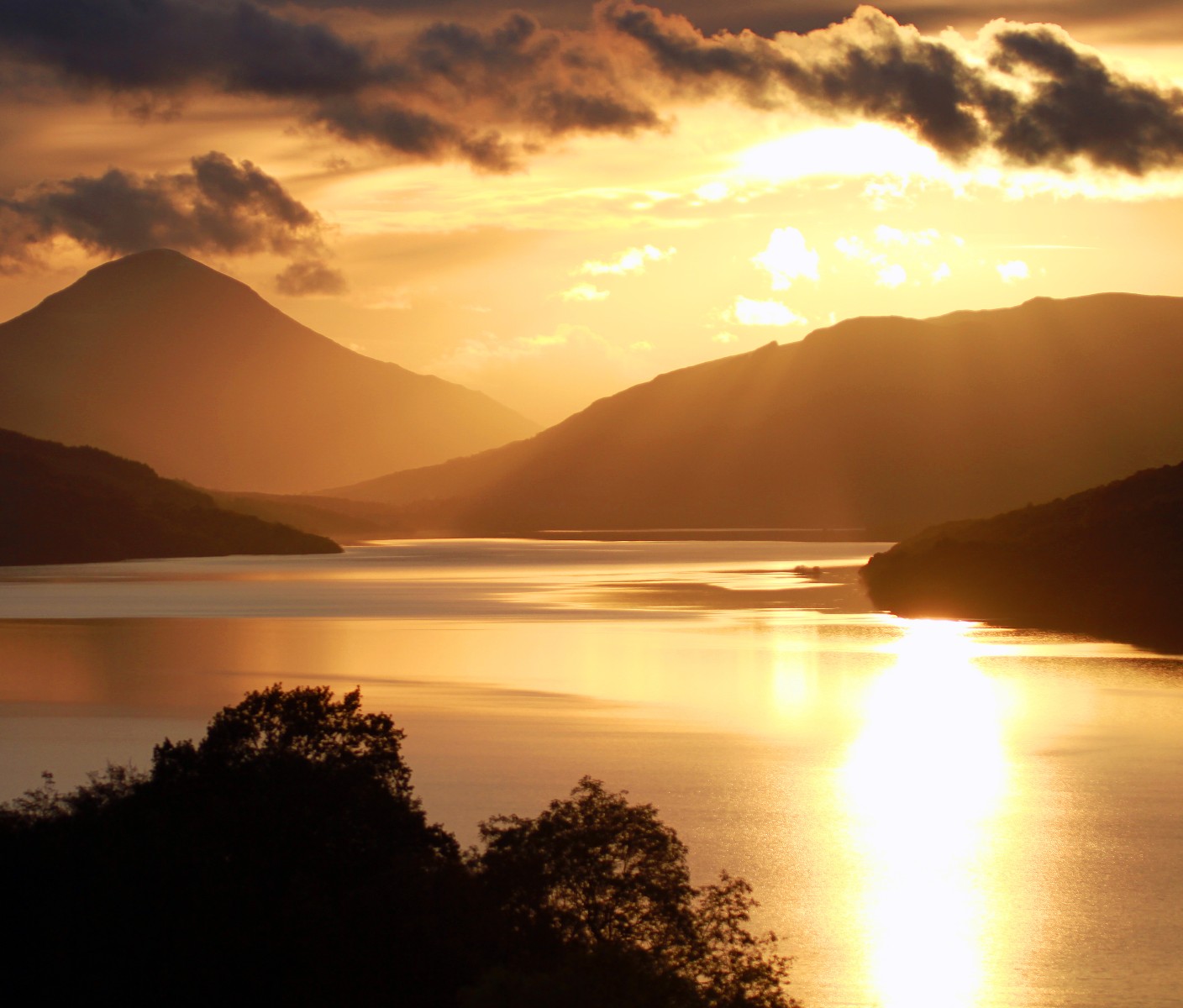
From the private crescents beside Gleneagles to the glens of Highland Perthshire, property in Perthshire changes character from one valley to the next, and the right search starts with knowing how.
A Georgian townhouse in Perth, a stone villa in Crieff and a steading above Loch Tay share a county but can suit very different buyers.
This guide draws on our experience of searching the county for clients weighing Perthshire from Edinburgh, Glasgow, London, the south of England or overseas: families relocating for schools and space, Scots coming home after years away, and those looking for a second home or a country house with land.
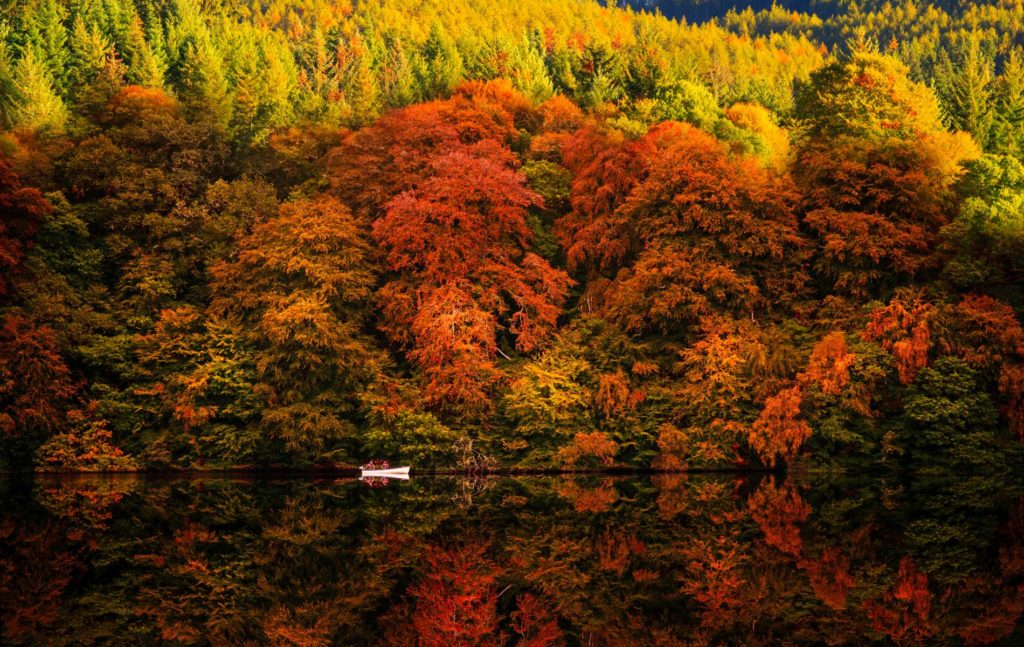
Perthshire’s property market: one county, several markets
Perthshire’s property market is best understood as several distinct markets within one county, divided as much by geology as by postcode.
Here, Perthshire means the Perth and Kinross Council area; parts of the historic county, including Callander, Dunblane, Doune and Aberfoyle, now sit within Stirling Council’s area.
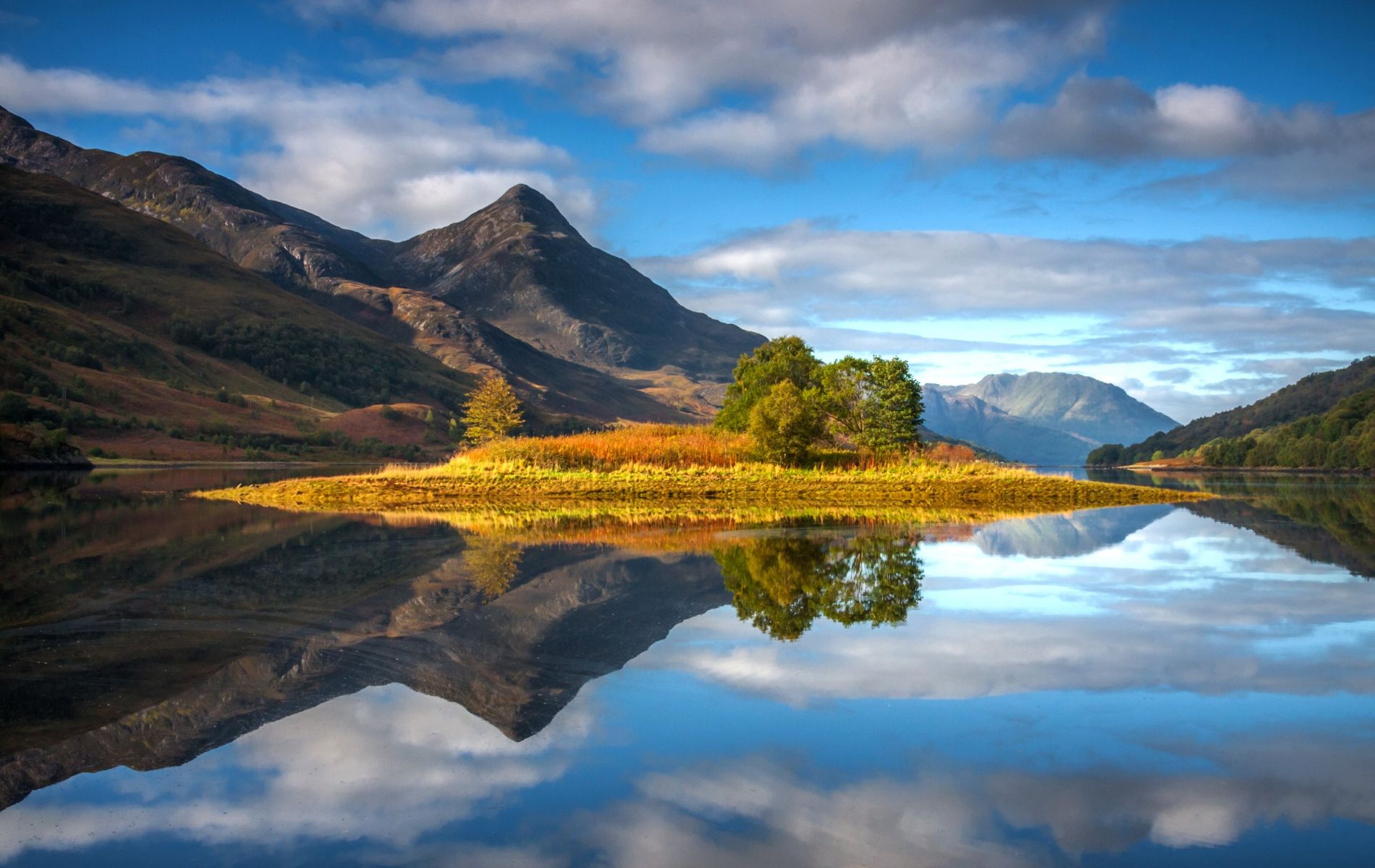
The Highland Boundary Fault runs diagonally across Perth and Kinross, separating a lowland south and east of farmland and market towns from a Highland north and west of glens, lochs and longer drives.
Which side of the Highland Boundary Fault a house sits on shapes almost everything a Perthshire buyer weighs.
Buyers are as varied as the ground, with Edinburgh and Glasgow households, families from south of the border, returning Scots, international buyers and second-home owners all searching here.
Where to look for property in Perthshire: main areas for buyers
Most property in Perthshire falls within five broad areas, each with its own character, transport position and type of buyer.
Perth and its surrounding villages
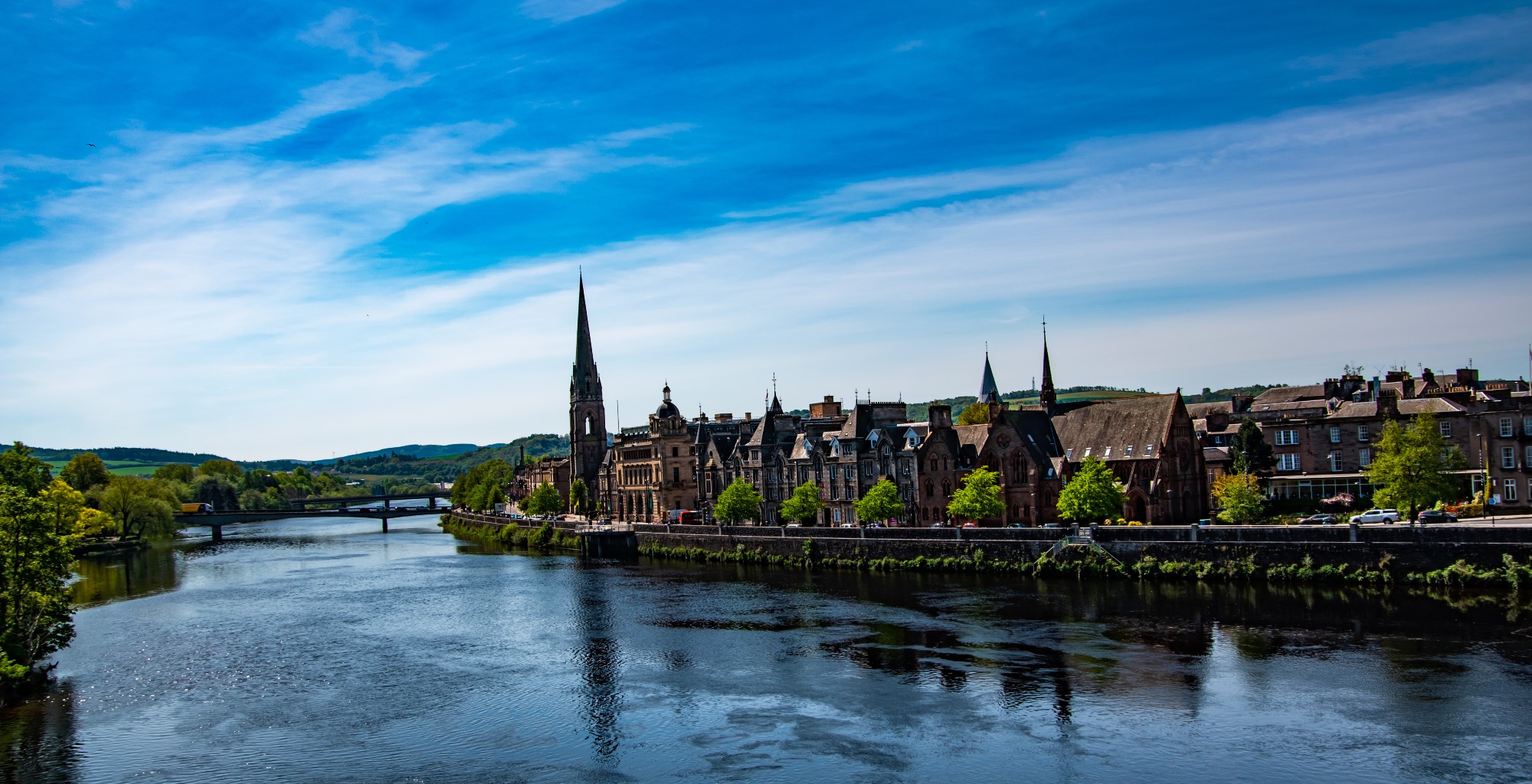
Perth, a city since 2012, sits on the River Tay and offers the county’s widest choice of schools, shops and services, along with its main railway station.
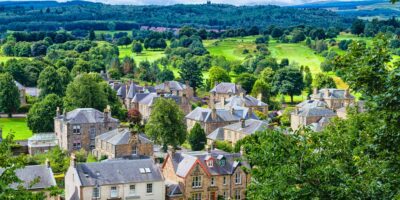
Georgian and Victorian townhouses and villas line the streets near the river, with newer family housing around the edges, while villages such as Scone, Bridge of Earn and Methven give a quieter setting a short drive from the centre.
Edinburgh is roughly 45 miles away by the M90 and Glasgow about 60 miles via Stirling, with trains to either city taking roughly an hour to an hour and a half. Perth tends to appeal to buyers who want amenities and a rail hub close at hand.
Strathearn: Auchterarder, Gleneagles and Crieff
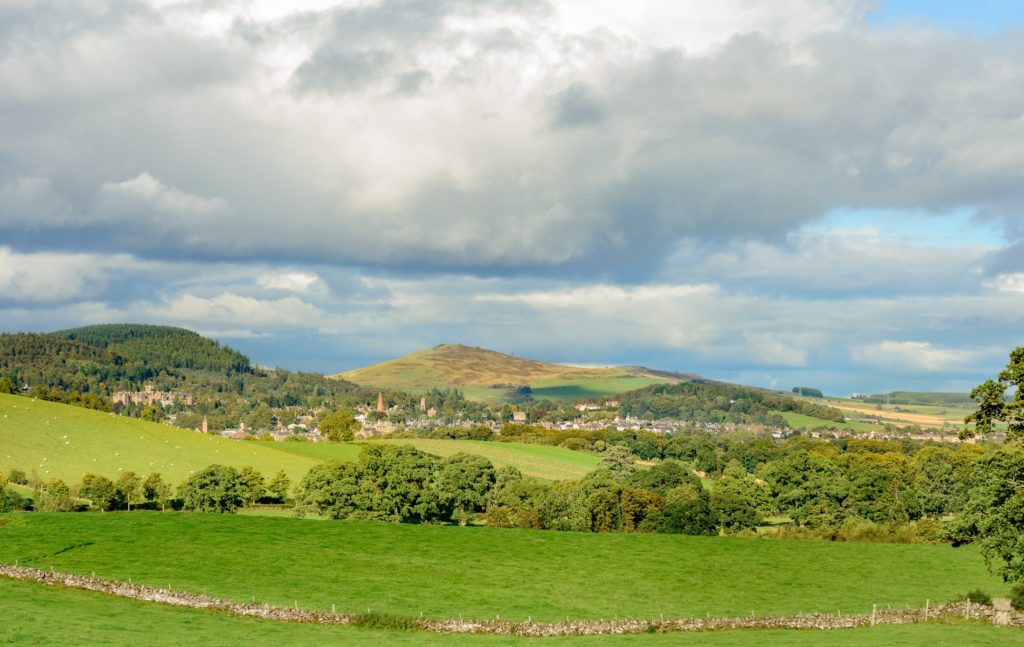
Strathearn, the valley of the River Earn west of Perth, combines established market towns with private streets beside the Gleneagles estate.
Auchterarder is the Lang Toun, named for its High Street of around a mile and a half, with former cottages along it and substantial period houses behind. Beside the Gleneagles hotel and its golf courses, Caledonian Crescent and the gated Queens Crescent are among the private streets beside the estate, and Gleneagles station, on the Perth to Stirling line, serves the town.
Crieff, one of the county’s larger towns, has stone townhouses, Victorian villas and Morrison’s Academy, with Comrie, Muthill, Dunning and Braco as smaller alternatives, and the area often draws families wanting a proper town with country all round.
Highland Perthshire: Dunkeld to Loch Tay
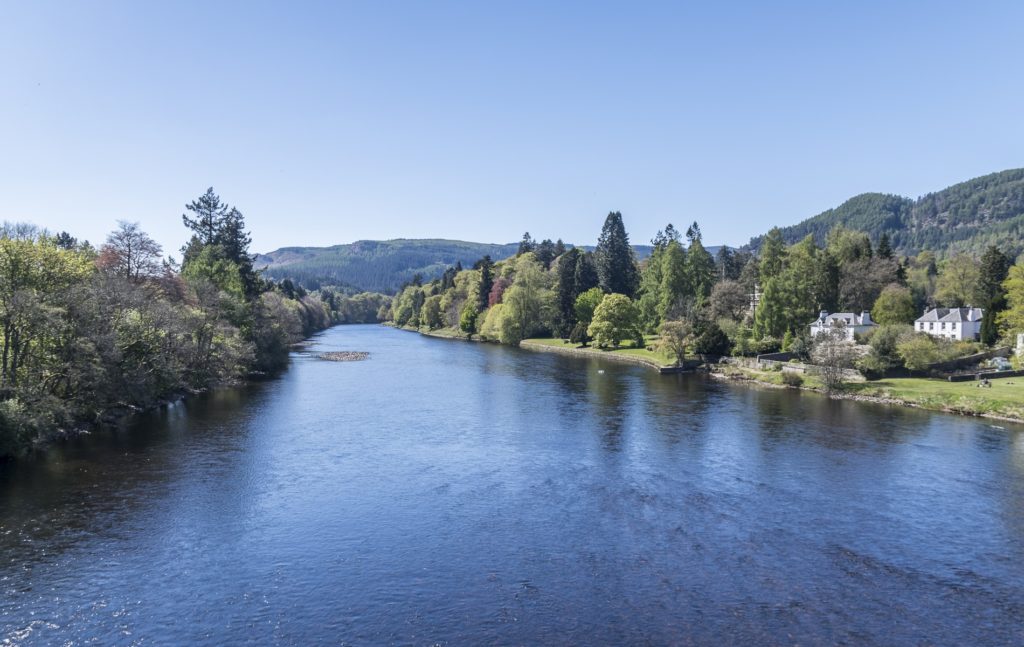
Highland Perthshire rises north of Perth along the A9 and the Highland Main Line, into the hills most buyers picture when they think of the county.
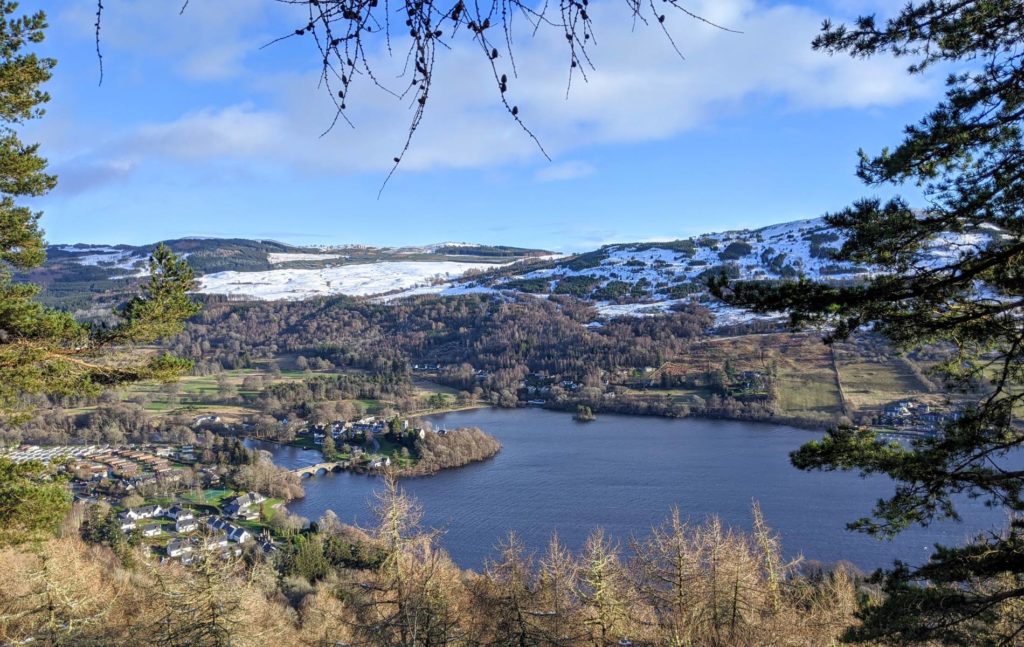
Dunkeld, with its cathedral and Thomas Telford’s bridge over the Tay, faces Birnam across the river. Pitlochry keeps its Victorian character beneath Ben Vrackie, while Aberfeldy, with General Wade’s bridge and Breadalbane Academy, looks west towards Kenmore, Loch Tay and Glen Lyon.
Housing runs from Victorian villas and whitewashed cottages to sporting lodges and steading conversions. The Caledonian Sleeper to London Euston calls at Dunkeld & Birnam, Pitlochry and Blair Atholl, and the A9 is being dualled in stages.
It is natural territory for a holiday home in Scotland or a country house with land, though distances and winter driving carry more weight here.
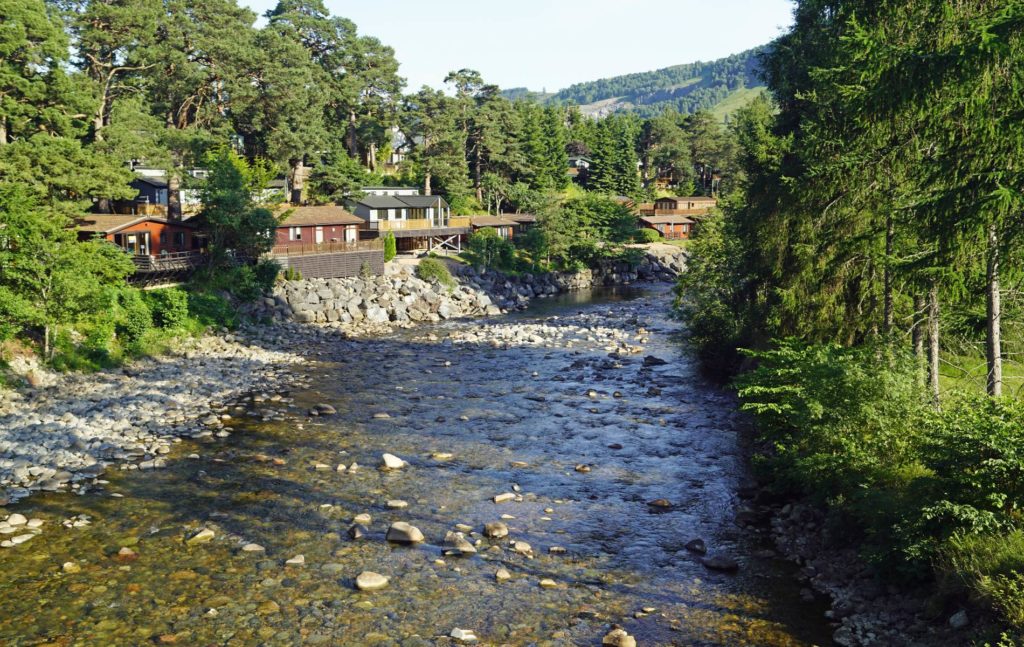
East Perthshire and the Carse of Gowrie
East Perthshire is often overlooked by buyers fixed on the west of the county, yet it combines river towns and farmland with quick access to Perth and Dundee.
Blairgowrie, on the River Ericht, is the gateway to Glenshee and its ski centre, while Alyth, Coupar Angus and Meigle sit among the farmland of Strathmore. The Carse of Gowrie, the flat and fertile stretch beside the Tay between Perth and Dundee, takes in villages such as Errol and Inchture.
Housing mixes town houses, Victorian villas, farmhouses and country houses, and suits buyers who want space with Dundee and the coast close by.
Kinross-shire: the Edinburgh side of the county
Kinross-shire gives Perthshire its quickest road run to Edinburgh, with the M90 passing beside Kinross and Milnathort.
Both towns lie close to Loch Leven, where Mary, Queen of Scots was held at Lochleven Castle, and offer a mix of period houses near their centres and newer family homes on the edges. Further west, Rumbling Bridge, whose lower bridge dates from 1713, and neighbouring Crook of Devon have largely post-1970s housing, the Ochil Hills behind them and Dollar Academy a short drive away in Clackmannanshire.
It suits Edinburgh commuters who want the countryside on the doorstep.
Schools and a family search in Perthshire
For many families, schools decide where a search for property in Perthshire begins.
Some of the private schools in Perthshire that families commonly search around are Strathallan School at Forgandenny, Glenalmond College west of Perth, Morrison’s Academy in Crieff and Craigclowan Preparatory School in Perth, with Dollar Academy just over the county line in Clackmannanshire.
State school catchment areas are set by Perth & Kinross Council, and parents in Scotland can apply for a place outside their catchment through a placing request, though a place is not guaranteed.
Catchment boundaries are reviewed periodically by the council and can change, so buyers should confirm current boundaries directly with the school or Perth & Kinross Council before committing to a purchase.
Buying rural property in Perthshire: the details that matter
Rural property in Perthshire rewards a closer look at how a house works and what comes with it.
A good survey, a careful solicitor and a conversation with the seller settle most rural questions early.
- Fishing rights: salmon fishing on the Tay and its tributaries can be owned separately from the riverbank, so confirm what comes with the property.
- Public access: statutory rights of responsible access under the Land Reform (Scotland) Act 2003 apply over most land, though not to the ground a house reasonably needs for privacy.
- Listed buildings: listing and conservation areas, common in Dunkeld and other historic settlements, shape what can be altered.
- Heating: much of rural Perthshire is off the gas grid, so expect oil, LPG, biomass or a heat pump, and read the Energy Report closely for a stone-built house.
- Water and drainage: private supplies and septic tanks are common, so check the water’s quality and whether it is shared, whether any septic tank or treatment plant holds the SEPA registration or authorisation it needs and what is required to move it into your name, and that shared arrangements are set out in the titles.
- Access: whether the house is reached by an adopted road or a private track, and who maintains it.
- Flood risk: SEPA’s flood maps show the risk for homes near the Tay, Earn, Isla, Tummel or Almond.
- Larger estates: the Land Reform (Scotland) Act 2025 is introducing, in stages, additional rules on the sale of large landholdings, broadly those over 1,000 hectares, so specialist legal advice on what applies at the time is essential.
Finding the right property in Perthshire
In our experience, some larger and more distinctive Perthshire houses can sell privately through local networks, before or without any portal listing.
Around Dunkeld, we have found Victorian country houses and steading conversions for clients within easy reach of the village, and in the hills around Aberfeldy, sporting lodges and whitewashed Victorian houses.
That access comes from local knowledge and a network of industry professionals built up since Garrington began finding homes for buyers in 1996.
Once the right house appears, we can view it on your behalf, read the Home Report with an experienced eye, note your interest with the selling agent and advise on how to approach a closing date, working alongside your solicitor through each stage of buying property in Scotland until missives are concluded.
If you are considering property in Perthshire, our team would be glad to talk through the areas that suit your move and our wider work across Perth and Kinross. Please contact us for an initial conversation, without obligation.
Property in Perthshire: Frequently asked questions
Is Perthshire in the Highlands?
Partly. The Highland Boundary Fault crosses the county, so Highland Perthshire to the north and west, around Dunkeld, Pitlochry, Aberfeldy and Loch Tay, is Highland in character, while Perth, Strathearn, the Carse of Gowrie and Kinross-shire are lowland.
What is the best place to live in Perthshire?
It depends on what the move is for. Perth and its villages suit buyers who want amenities and a rail hub, Strathearn around Auchterarder and Crieff combines town and country, Highland Perthshire appeals to lifestyle and country-house buyers, and Kinross-shire gives the quickest road run to Edinburgh.
How long does it take to get from Perthshire to Edinburgh?
From Perth, trains to Edinburgh take roughly an hour to an hour and a half, and the drive on the M90 is usually around an hour. From Highland Perthshire towns such as Pitlochry, allow extra time for the run down the A9 or the Highland Main Line.
Do fishing rights come with property in Perthshire?
Not always. In Scotland, salmon fishing rights can be owned separately from the land beside a river, so a house on the Tay or one of its tributaries may or may not include fishing. The titles show what is included, and a solicitor can confirm.
Do Perthshire properties sell off-market?
Some do, particularly larger houses in established areas, which can change hands through local networks without public marketing. A buying agent with local contacts can hear about these before, or instead of, a portal listing.