
The Glasgow Commuter Belt: How Hybrid Working Has Redrawn the Price of Distance
The Glasgow commuter belt has changed shape since hybrid working became the norm.
With many professionals in the office two or three days a week rather than five, the daily journey into the city is no longer the deciding factor it once was, a different question entirely from the well-worn debate about commuting between Glasgow and Edinburgh.
Buyers are looking beyond the traditional commuter hotspots, weighing larger homes, stronger school catchments and more outdoor space against the length of the commute itself. Distance still carries a price, but lifestyle now weighs just as heavily.
For most buyers now, the right location is the one that gets the balance of work, home and life right, not necessarily the nearest one to the city.
Why distance from Glasgow now carries a price premium
When commuting meant a daily return, proximity to a fast station commanded a premium, because every extra ten minutes was paid twice a day, five days a week.
A hybrid week loosens that arithmetic without removing it.
An hour’s commute is a different proposition made two days a week rather than five, and that has reopened corridors families had ruled out.
In our experience across the Glasgow commuter belt, competition is now concentrated in two places at once: the established inner ring, where short journeys still carry a premium, and a wider band of towns a five-day commuter would once have dismissed.
The East Dunbartonshire and Renfrewshire corridors
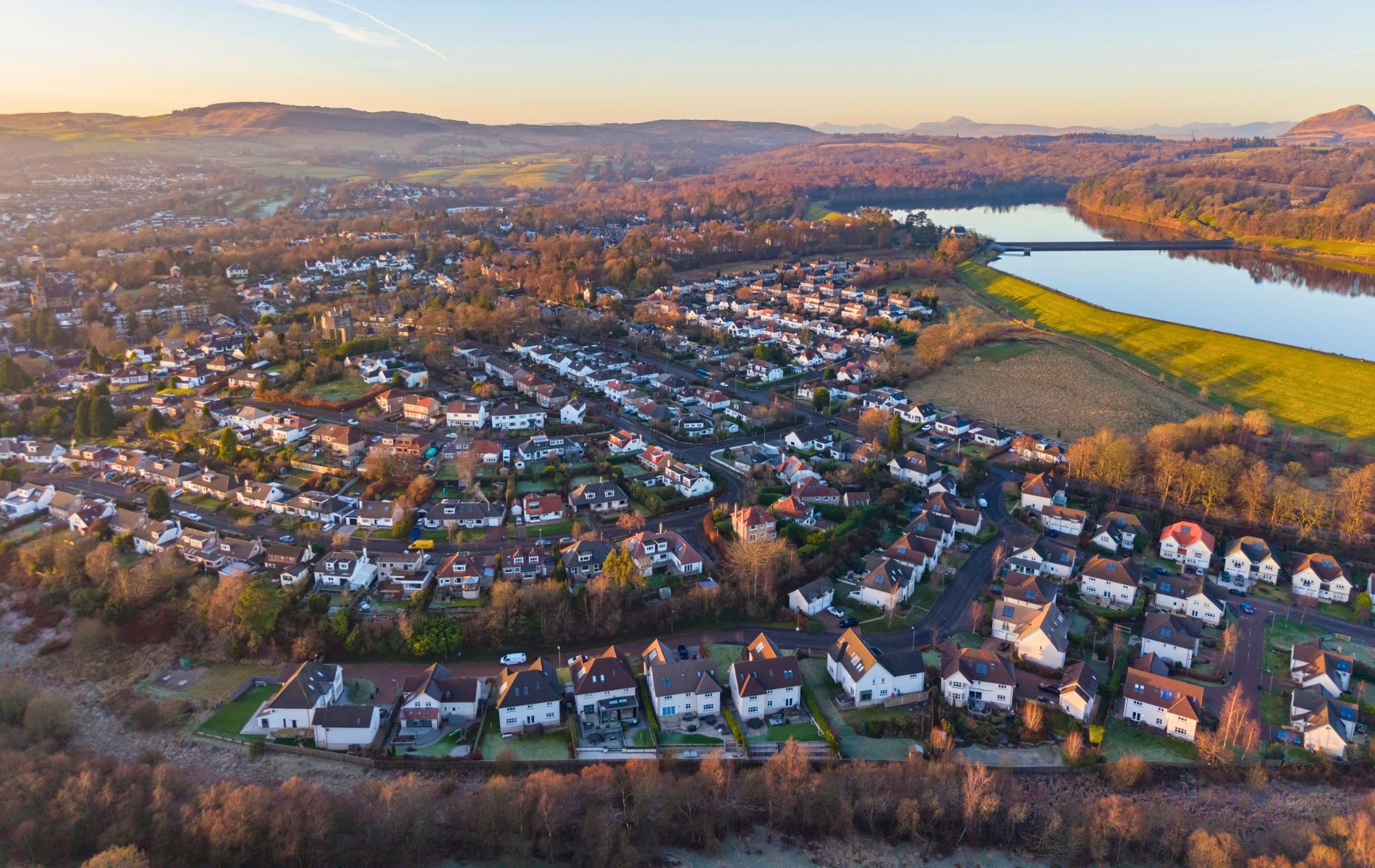
The northern and southern suburbs remain the most established choice for anyone commuting from Glasgow several days a week, and for good reasons.
Bearsden and Milngavie sit within easy reach of the city yet feel firmly residential, with mature streets, a good selection of schools and a settled community feel.
Bishopbriggs offers some of the quickest rail connections into Queen Street, and that access is much of its appeal. Kirkintilloch extends the same corridor a little further out, often at a gentler price.
To the south, Giffnock and the wider East Renfrewshire district draw families for schooling as much as for the commute, while Eaglesham offers a village setting within a short drive of the city.
This is the ring where a daily commute remains comfortable, and where we see the keenest competition for the right house, right down to the smaller villages near Glasgow that sit within it.
The Ayrshire coast corridor
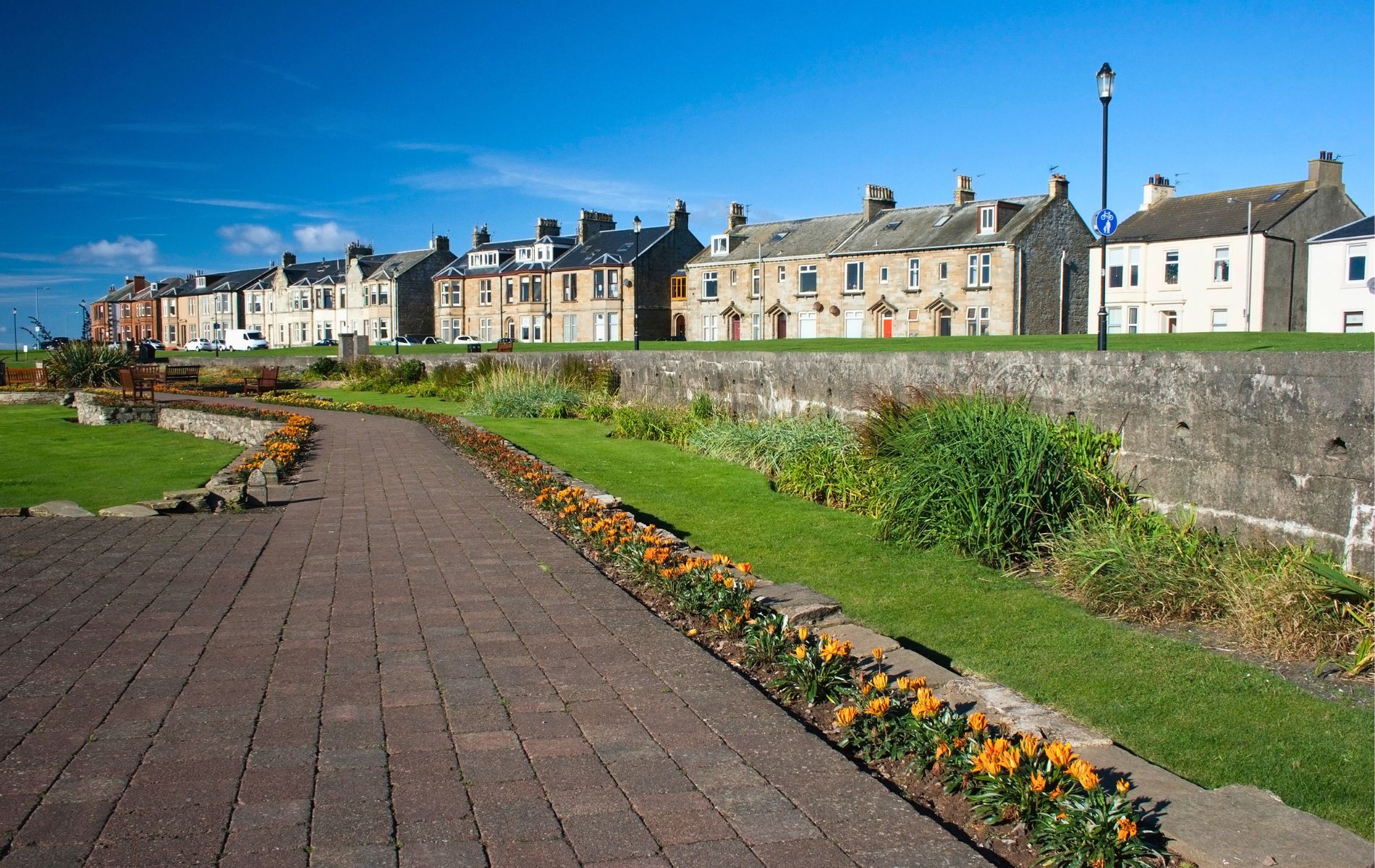
Follow the line south-west and the calculation changes. Prestwick, Troon and Ayr trade a longer rail journey, often closer to an hour than to a short suburban hop, for something the inner suburbs cannot offer: the coast. Beaches, golf, sea air and a slower pace come with houses where, in our experience, a given budget often stretches further than it would around Bearsden or Giffnock.
For a five-day commuter this corridor was always a stretch, but for someone in the office for two or three days, it has become one of the more interesting options on the map.
For many of those buyers, the Ayrshire coast rail service, from Prestwick in particular, is frequent enough to make the office days workable, and Prestwick’s own airport adds a dimension that matters to anyone who travels for work.
The compromise is real and worth naming. You accept longer door-to-desk time on office days in exchange for a coastal life on the days you work from home. For a growing number of buyers, that is a compromise firmly worth making.
The Stirling and Perthshire outer ring
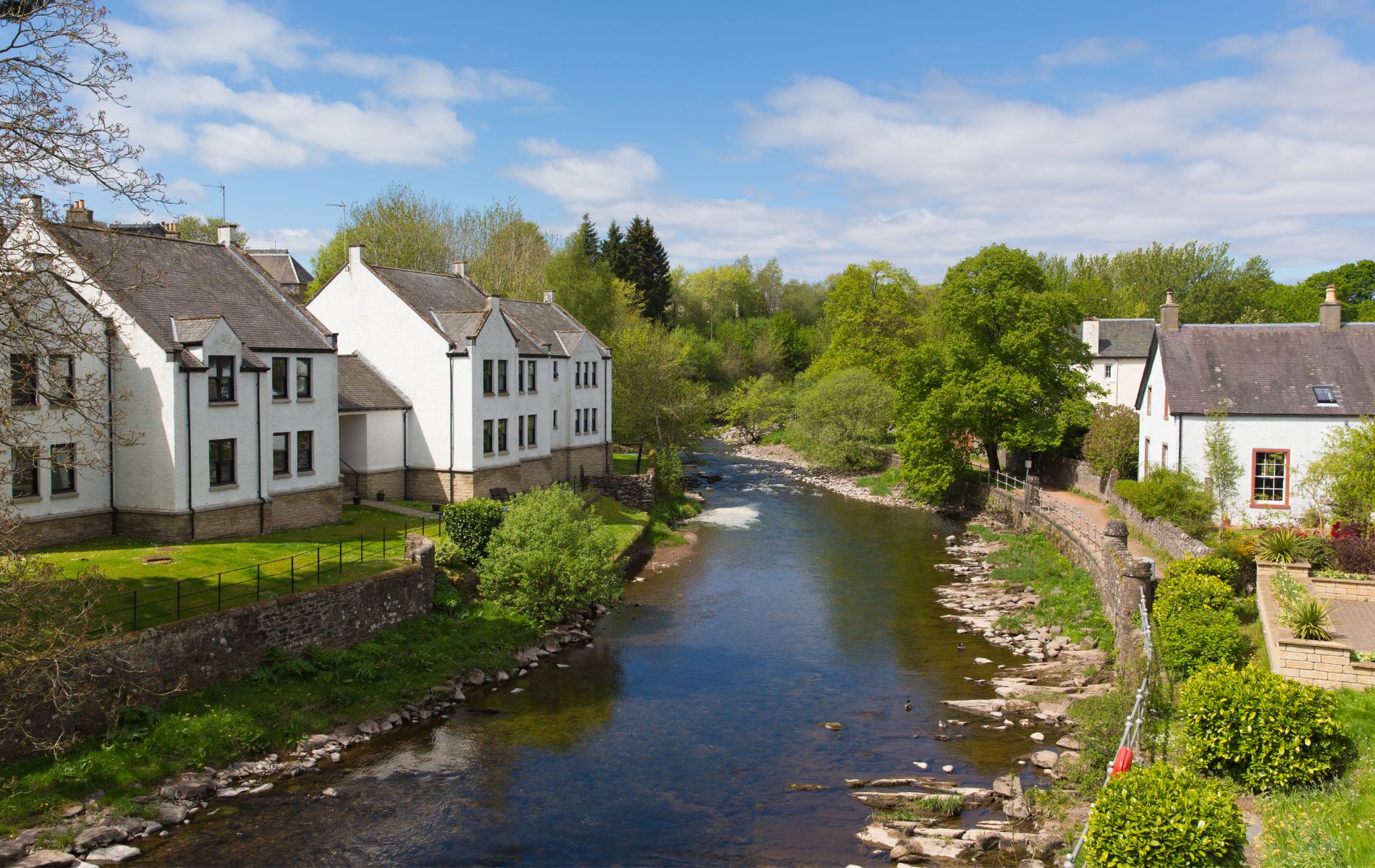
The outer ring of the Glasgow commuter belt behaves differently again. Stirling and Dunblane are served by rail but push further north towards Auchterarder and the surrounding countryside, and the commute leans increasingly on the M80 and the M9 rather than on a station at the end of the street.
Road journey times here are more sensitive to traffic than the rail corridors are, and that is much of why the outer ring tends to suit a certain kind of week rather than a daily one.
What it offers in return is land. Plots are larger, period houses more plentiful, and the setting shades quickly into open countryside and, near Auchterarder, into some of Scotland’s better-known golf.
Dunblane has a regular rail link with a strong schooling reputation, which adds to its appeal.
For a two- or three-day commuter willing to drive, the outer ring can deliver a scale of house and grounds the inner suburbs cannot match at the same level. For anyone still in the office most days, it remains a longer proposition than the numbers first suggest.
What hybrid working has actually changed
The change is more specific than the idea that everywhere is now commutable. Hybrid working has moved the line rather than erased it.
Locations once dismissed as too far, the Ayrshire coast, parts of Perthshire, the further reaches of the northern corridor, have come into serious contention for buyers who no longer make the trip daily.
The inner ring, meanwhile, shows little sign of easing in our experience. The households still commuting for four or five days a week tend to compete keenly for homes closest to the fastest stations, because for them every minute still counts twice a day.
What has not changed is the need to be honest about the week you will actually live, rather than the one you imagine. A buyer who tells us they will be in the office twice a week, then finds the pattern creeping back to four, will experience the outer ring very differently from how they pictured it.
Matching the property to the real working pattern, not the hoped-for one, is where most of the disappointment in this market is avoided.
Travel beyond Glasgow
For many buyers, the working week is not spent entirely in Glasgow. Periodic trips to London, or regular international travel, change which locations make sense, because the journey that matters becomes the one to the airport or the main line rather than to a city-centre desk.
This tends to reward the western side of the Glasgow commuter belt. Glasgow Airport sits close to the Renfrewshire corridor, which suits anyone flying often for work, while Prestwick gives the Ayrshire coast a connection its distance from the city might otherwise count against.
For those who prefer rail for occasional trips south, Glasgow Central’s direct London service is the anchor. When the real commute is measured in flights a month rather than days a week, airport proximity can matter more than the drive into town.
How we see the Glasgow commuter belt
A ranked list of commuter towns can tell you which places are popular. It will not tell you which corridor suits the life you intend to live, and that is the most useful question.
The difference between the inner suburbs, the Ayrshire coast and the northern outer ring is not really one of quality. It is one of fit.
Our reading of the Glasgow market is built corridor by corridor and household by household, weighing the working week against schooling, space and the kind of place you want to come home to.
For buyers weighing the city itself against a move out of it, our guide to living in Glasgow is a useful companion, and for those who conclude that country space matters more than proximity, a country house search may be the better route.
Fiona Redford advises buyers across the Glasgow commuter belt and the wider west and central Scotland region, matching each search to the working week behind it. For a discreet, no-obligation conversation about where a move might take you, please get in touch.
Frequently asked questions about the Glasgow commuter belt
How far does Glasgow’s commuter belt extend?
Further than it did five years ago. The established ring covers East Dunbartonshire and East Renfrewshire, but hybrid working has brought the Ayrshire coast and parts of Stirling and Perthshire into wider contention for those travelling in only two or three days a week.
Which areas near Glasgow have the fastest rail links to the city?
The northern and southern suburbs lead. Giffnock and Bearsden are among the quickest into central Glasgow by rail, which is part of their lasting appeal.
Is it worth commuting to Glasgow for work?
It depends on how often you make the trip. A daily commute rewards proximity, so the inner ring makes most sense. A two- or three-day week opens coastal and rural options with more space and often better value, in exchange for a longer journey on office days.
What are the best commuter towns near Glasgow?
There is no single answer, because the right place within the Glasgow commuter belt depends on your working pattern and what you want from home. Those in the office most days tend to prioritise the fast-connected inner suburbs, while hybrid workers increasingly look to the Ayrshire coast or the outer ring for space and setting.