Best places to live in the Highlands 2026
When considering the best places to live in the Highlands, buyers are often motivated by a combination of landscape, lifestyle, and the opportunity to live differently.
For some, it is a long-held ambition; for others, a response to changing work patterns or priorities. Either way, the region remains one of the most distinctive and sought-after parts of Scotland in which to settle.
Each year, Garrington publishes its Best Places to Live in Scotland research, analysing more than 160 cities, towns, and villages across the country. Locations are assessed against five criteria: natural beauty, wellbeing, heritage and culture, employment, and connectivity, plus value for money. To ensure consistency across the analysis, the research focuses on places with a population of 5,000 or more.
Within those parameters, two Highland locations stand out in the 2026 rankings.
Inverness
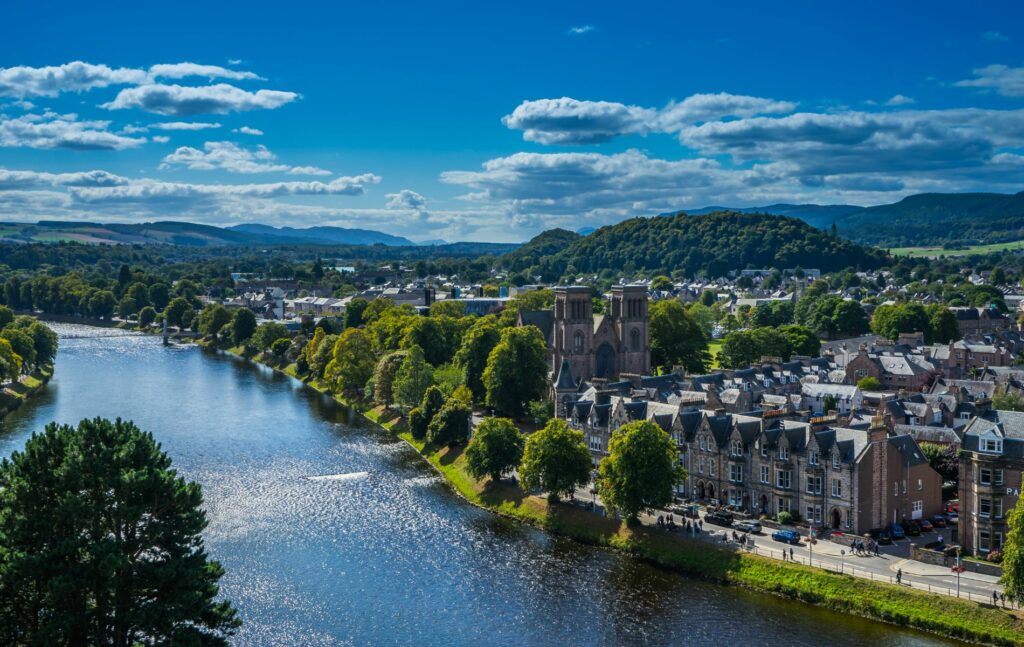
Inverness ranks 33rd overall in Scotland and places second among Highland locations. As the capital of the Highlands, it performs strongly across multiple criteria, combining the advantages of a regional city with immediate access to some of Scotland’s most striking landscapes.
It also ranks 4th overall for Natural Environment, reflecting its riverside setting, proximity to the Moray Firth and easy access to hills, glens, and coastline.
Inverness places 8th for Heritage and Culture, underlining its historic significance and its role as the cultural and administrative heart of the Highlands.
For many buyers assessing the best places to live in the Highlands, Inverness offers a rare balance. Employment opportunities, transport links and established amenities sit alongside ready access to the wider Highland landscape, making it a natural starting point for those considering a move to the region.
Fort William
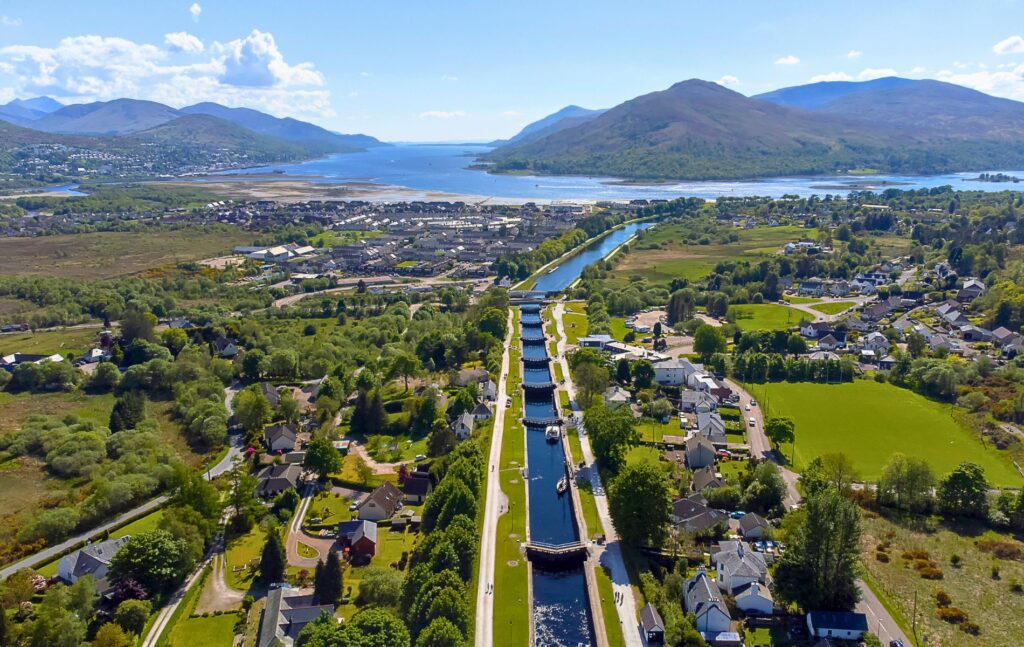
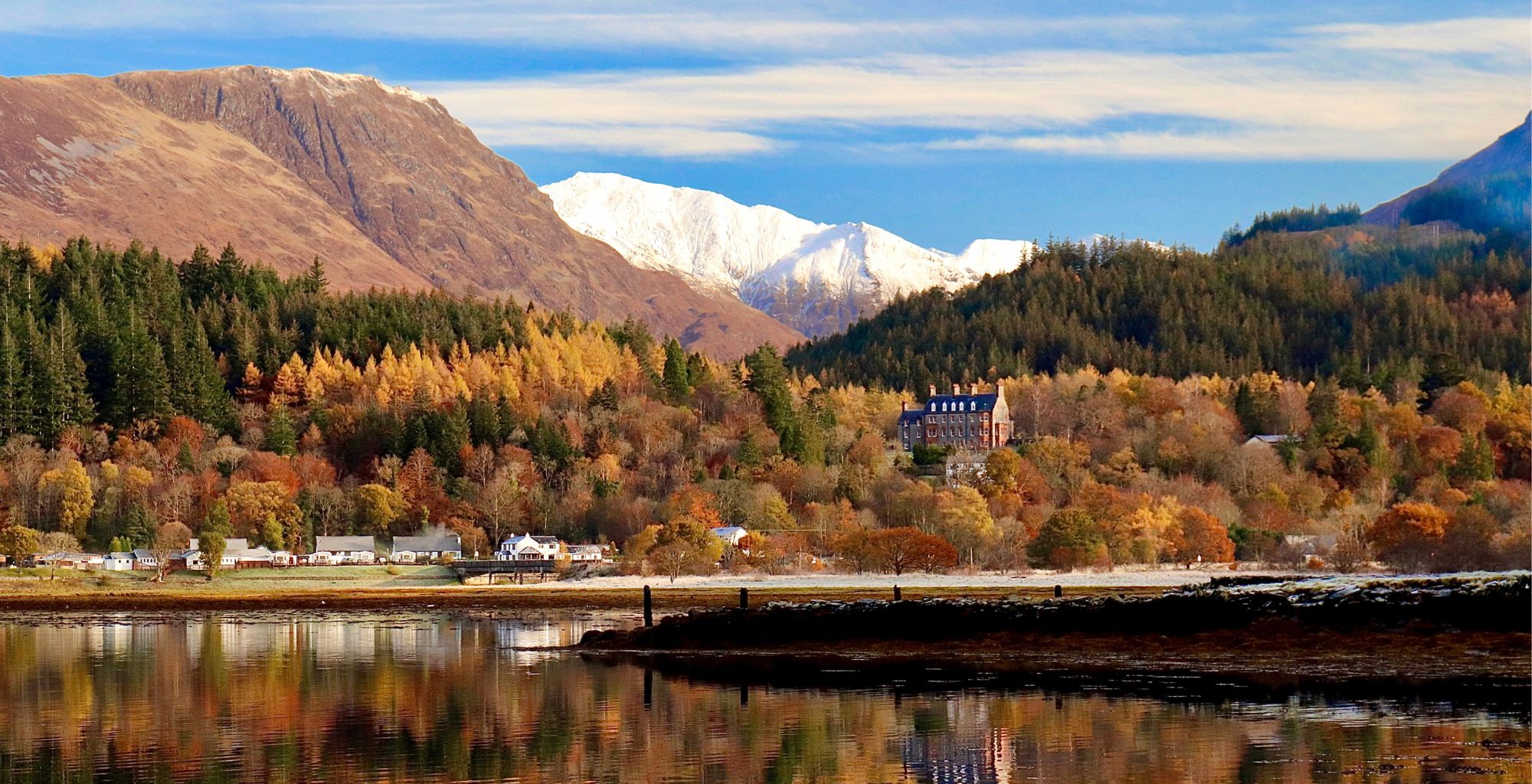
Ranking 30th overall in Scotland and the highest-placed Highland location in Garrington’s research, is Fort William. Set at the foot of Ben Nevis and on the edge of Loch Linnhe, it is widely recognised as the outdoor capital of the Highlands.
Fort William’s performance reflects a lifestyle shaped by its environment, with mountain, loch, and coastline all within immediate reach.
While more compact than Inverness, Fort William provides essential services, employment, and connectivity for the west Highlands, supporting a strong year-round population and reinforcing its place among the best places to live in the Highlands.
Looking beyond the rankings
Inverness and Fort William demonstrate how Highland living can align with the criteria measured in Garrington’s national research. Beyond these larger centres, however, the best places to live in the Highlands are not always defined by population size alone.
Smaller towns, villages, and rural communities play a significant role in the region’s appeal. The following sections draw on the local insight of Garrington’s Highland property finder, Marie Wood, who offers a more nuanced view of how different parts of the region function in practice.
Community
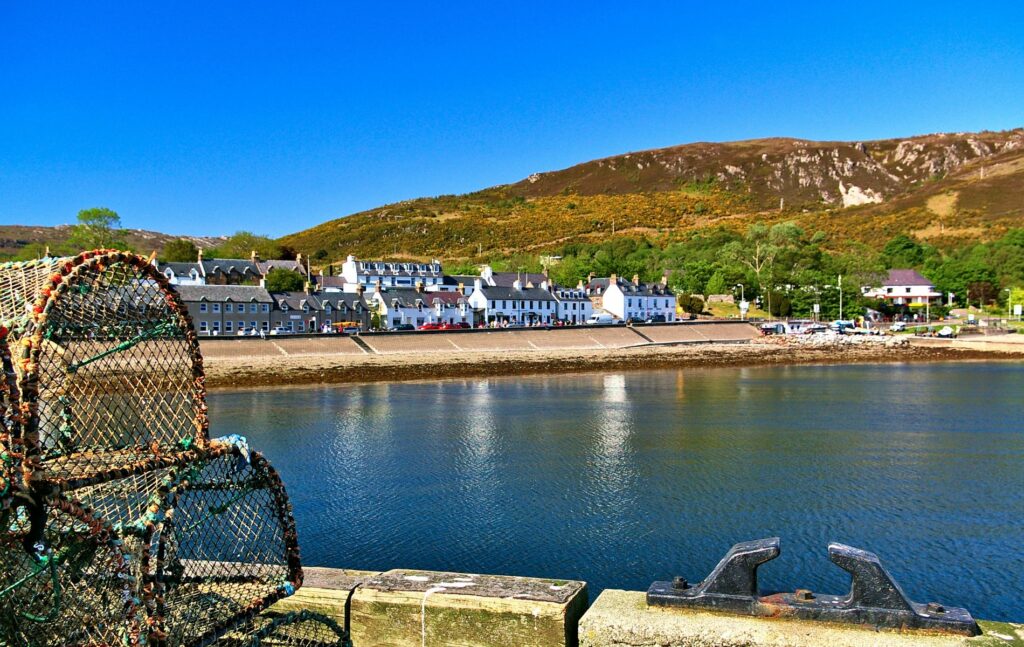
For many buyers, settling well in the Highlands depends on how easily everyday connections form. In a region defined by scale and distance, local networks and shared interests often play a more visible role in daily life.
This is particularly evident in coastal and harbour towns such as Kyle of Lochalsh, Ullapool, and Mallaig, where maritime activity plays an important role in shaping local life.
Sailing, fishing, and ferry connections create shared reference points, helping to anchor communities, particularly for those new to the area.
Each retains a working-town character, shaped as much by infrastructure and services as by its coastal setting.
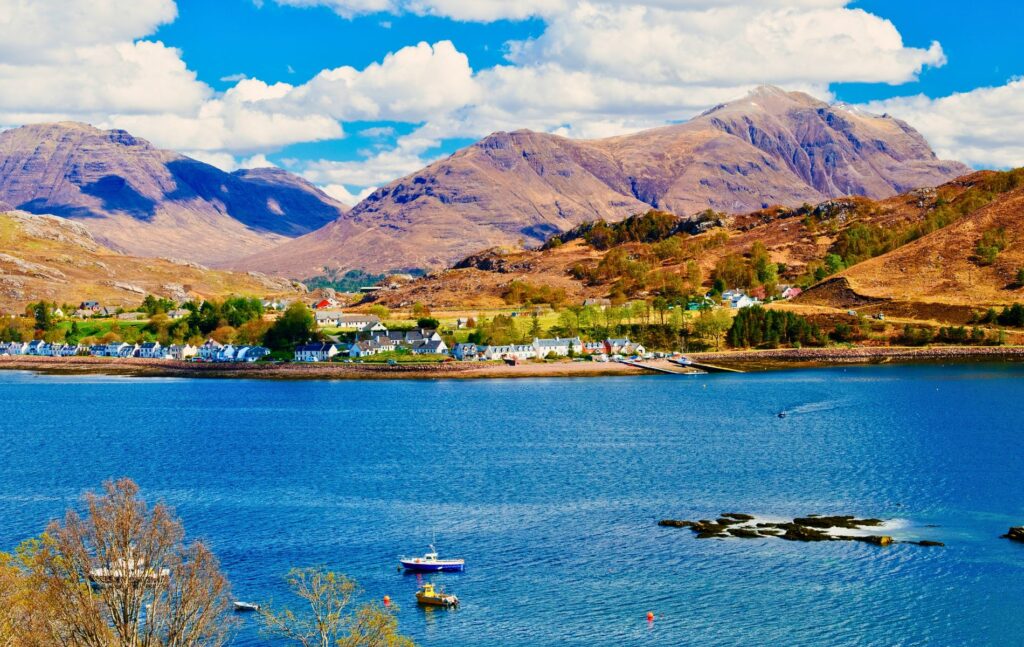
Elsewhere, community operates on a smaller scale. In places such as Shieldaig or along the Drumbeg, Kylesku, and wider Sutherland Coast, populations are limited and distances between neighbours greater. Familiarity and practical cooperation tend to matter more than organised social life.
On the east coast, the villages of the Black Isle offer a different dynamic. Their proximity to Inverness allows residents to remain closely connected to employment, education, and services, while still benefiting from a strong sense of local identity. For many buyers, this balance plays an important role when weighing up the best places to live in the Highlands.
Employment and connectivity
While employment opportunities in the Highlands are more concentrated, transport infrastructure significantly broadens the range of places that work in practice. Road and rail links, particularly along the A9 corridor, underpin many relocation decisions.
Locations such as Beauly are well placed for access to Inverness and its wider employment base, appealing to buyers who want separation from the city without sacrificing connectivity.
Further north, east coast settlements including Dornoch, Brora, and Golspie benefit from A9 and rail connections that support flexible working patterns.
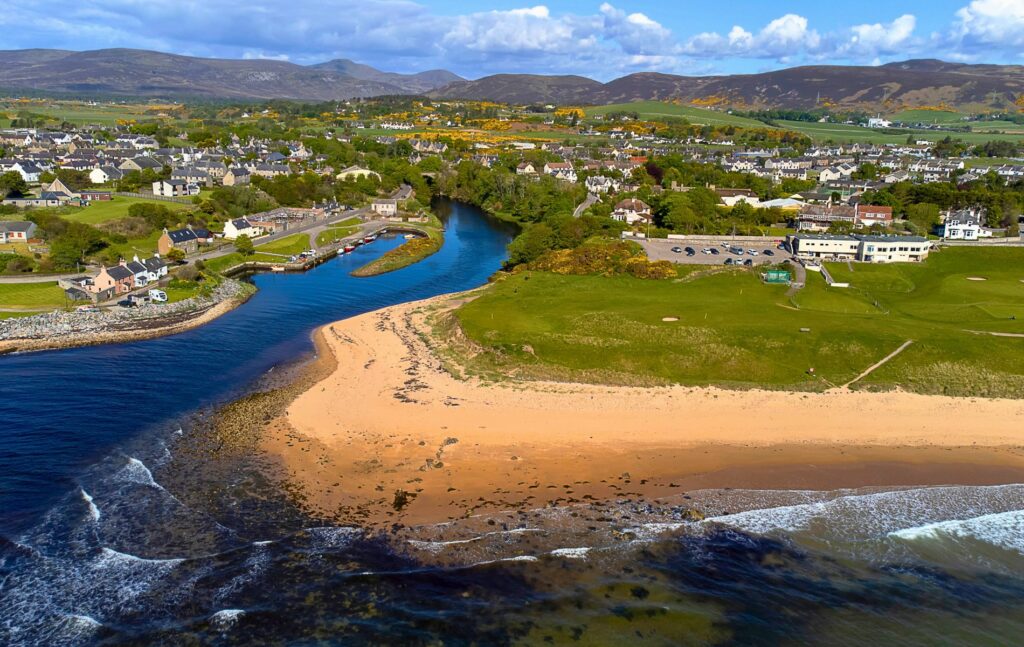
All three also have established golf courses, which contribute to local employment and form an important part of their identity, particularly in areas where tourism and year-round amenities are closely linked.
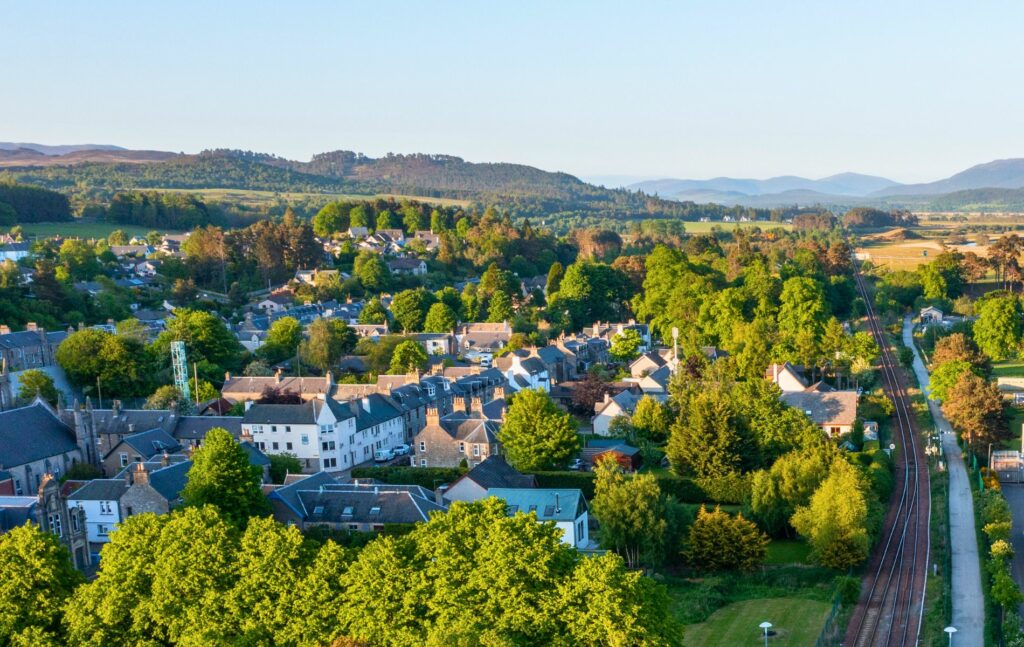
Within Badenoch and Strathspey, Aviemore and Kingussie sit inside the Cairngorms National Park and benefit from strong road and rail connections, with Inverness typically around 40-60 minutes away by car. This combination of accessibility and setting allows buyers to look beyond larger centres while remaining connected.
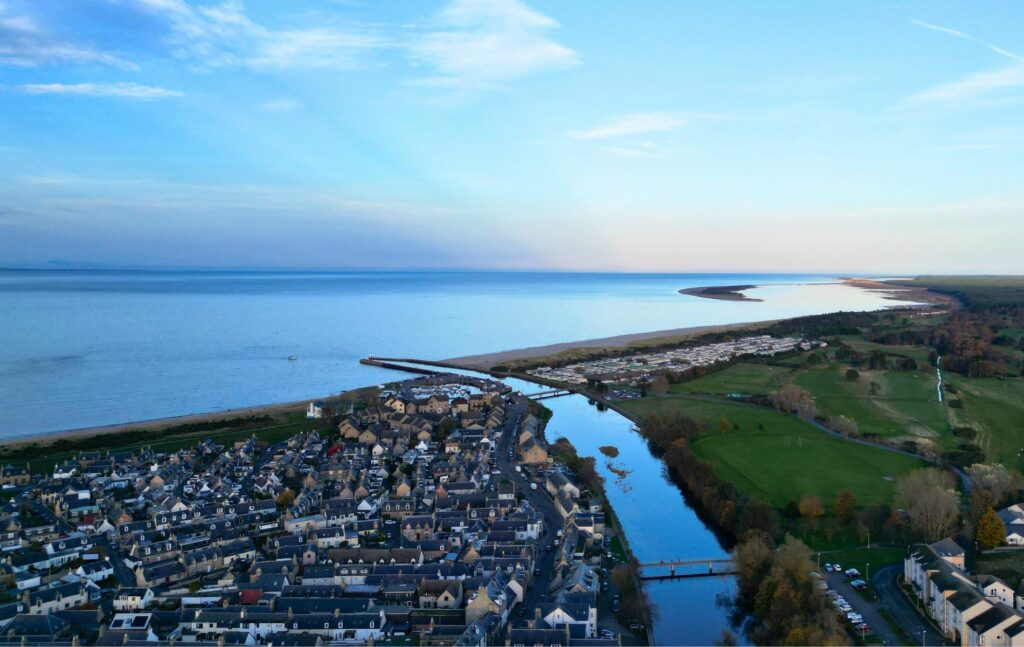
Further east, Nairn offers a different proposition again. Positioned on the Moray Firth coast, it has excellent connectivity, including regular rail services and a short road journey to Inverness. This makes it particularly appealing to buyers who want coastal living without sacrificing access to employment, schools, and services.
Nairn’s position on the east coast also brings a slightly drier climate than much of the west Highlands, which can be an important practical consideration.
Natural environment
For many people, the Highlands’ natural environment is not simply a backdrop but an active part of daily life. Landscape influences movement, outlook, and how time is spent, making the relationship between home and surroundings particularly important.
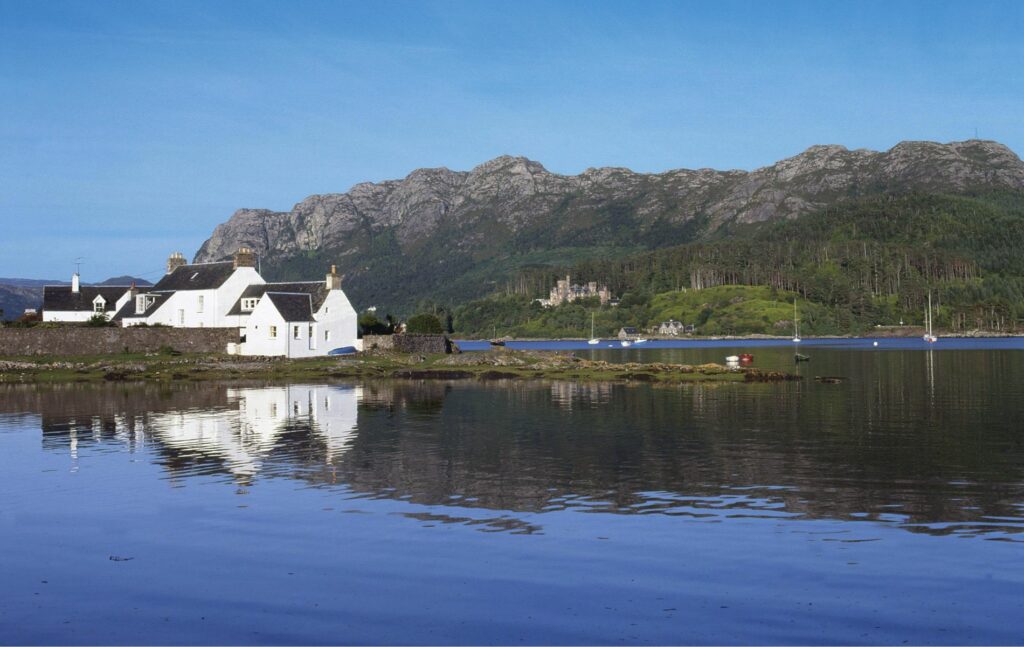
Plockton’s sheltered bay and distinctive coastal setting create a strong sense of place within a compact village form.
Fort Augustus offers direct access to Loch Ness and the Caledonian Canal, with water and surrounding hills shaping both views and everyday routines.
Further west, Tobermory’s harbour on the Isle of Mull places sea and weather firmly at the centre of everyday experience, while Arisaig offers a more open coastal environment defined by light, horizon, and views across to the Small Isles.
It is this close integration between home and landscape that often underpins how people define the best places to live in the Highlands.
Lifestyle
Lifestyle in the Highlands is closely linked to how people choose to engage with their surroundings. For many buyers, this is about alignment rather than escape, finding a place where work, interests, and environment sit comfortably together.
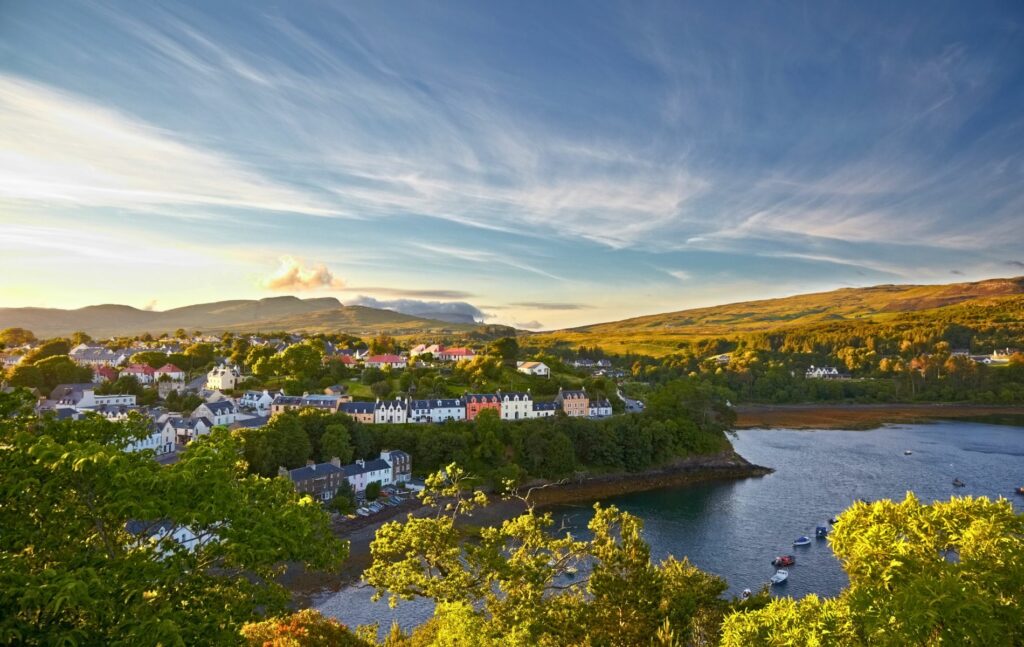
Sailing is a defining feature in locations such as Lochcarron, Kinlochleven, and parts of the Isle of Skye, including Portree, Broadford, and the Sound of Sleat.
In these areas, access to the water supports an active, outward-facing lifestyle grounded in established communities.
Elsewhere, lifestyle is shaped more by setting. Gairloch combines coastal living with a degree of self-sufficiency, while Glencoe appeals to those drawn to mountain environments where outdoor activity beckons.
At the far north-west edge of the mainland, Durness offers something different again. Its openness, light, and scale have long appealed to artists and creatives, drawn by the clarity and focus that the environment encourages.
Remote living
Remoteness in the Highlands is best understood as a spectrum rather than a fixed condition. It is shaped by access, travel time, and personal expectations, and experienced differently from place to place.
Locations such as Lochailort and Glenelg feel removed without being inaccessible, offering separation from busier centres alongside viable road connections.
Further north and west, places including Aultbea, Torridon, Lochinver, and communities along the Drumbeg, Kylesku, and wider Sutherland Coast sit at greater distance from main routes, where planning and self-reliance become part of everyday life.
For some buyers, this level of distance is central to what defines the best places to live in the Highlands, offering privacy, focus, and a strong sense of place.
Finding your perfect place in the Highlands
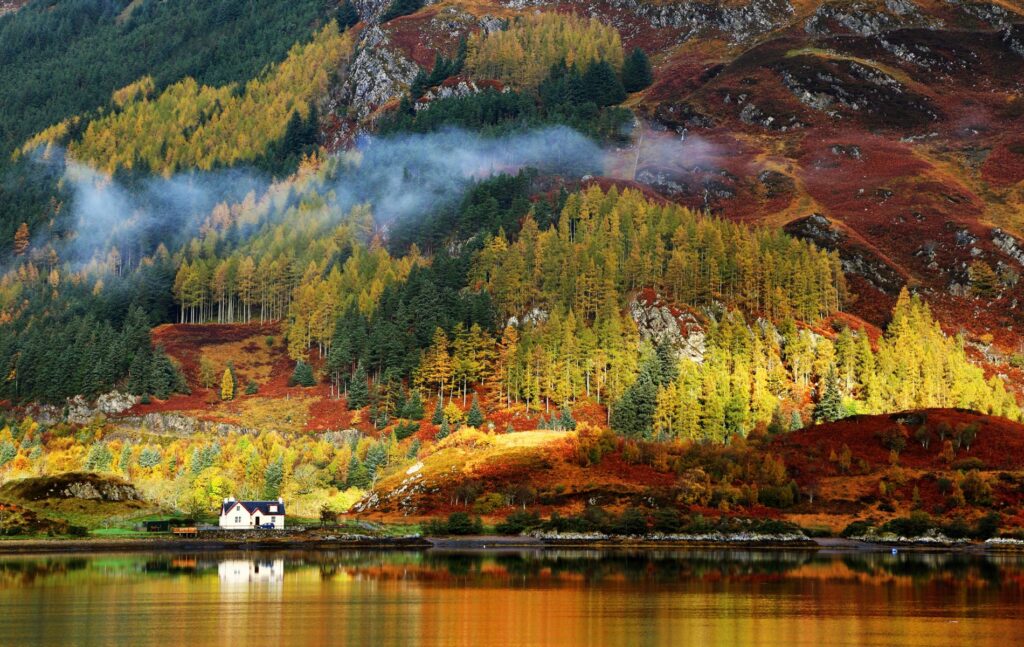
Garrington’s research highlights where Highland living aligns most closely with national measures of wellbeing, connectivity, and opportunity, with Inverness and Fort William standing out within the data. Beyond these larger centres, the best places to live in the Highlands are shaped by individual priorities, daily routines, and how people want to live.
Combining data-led insight with local expertise helps buyers navigate those choices with clarity. If you are considering a move to the Highlands, Garrington’s property finders can help you explore locations that align with both practical needs and long-term ambitions.
For a no-obligation discussion about your requirements, please get in touch.