West Coast of Scotland Property Finder

West Coast property search
Garrington is an experienced independent buying agent on the West Coast of Scotland offering a range of services across one of the country’s most distinctive and varied coastlines. Harbour towns, sea lochs and long-established maritime communities each bring their own character, and no two locations feel quite the same. Buyers come with different priorities, some seeking a permanent move and others a second home, carefully weighing connectivity, local services and the appeal of a particular setting.
Drawing on extensive regional knowledge, Garrington’s team represents buyers exclusively, helping clients navigate this exceptional coastline and identify the right property within it.
Contact Us
Transport and connectivity
Travel along the West Coast of Scotland is shaped as much by geography as by infrastructure. Key routes such as the A82 and A85 link Fort William and Oban with Glasgow and the Central Belt.
The A830, known as the Road to the Isles, runs west to Mallaig through Arisaig and Morar. To the north, the A9 and A82 connect into Inverness, the Highlands’ main transport hub, providing rail interchange and airport access.
Rail and ferry connections
Rail services mirror the landscape. The West Highland Line links Fort William and Mallaig to the national network, while the Kyle Line connects Inverness with Kyle of Lochalsh and the Skye Bridge. Ferry routes from Oban, Mallaig and Ullapool remain essential parts of regional infrastructure, with Ullapool providing the principal mainland connection to Stornoway and the Outer Hebrides.
Away from these routes, much of the west coast depends on single-track roads with passing places, where weather disruption and longer journey times are practical realities buyers need to consider.

NORTH WEST COAST
The north west coast of Scotland is defined by dramatic landscapes and remote communities where mountains, sea lochs and open coastline shape settlement patterns. From Ullapool and Assynt to Wester Ross and the Isle of Skye, this stretch of coastline combines small towns, scattered villages and individual rural properties.
Infrastructure varies significantly between locations, with larger settlements supporting everyday amenities while more remote areas operate on a smaller scale. Buyers drawn to this part of the west coast often prioritise space, privacy and a strong connection to the natural environment.
How Can We Help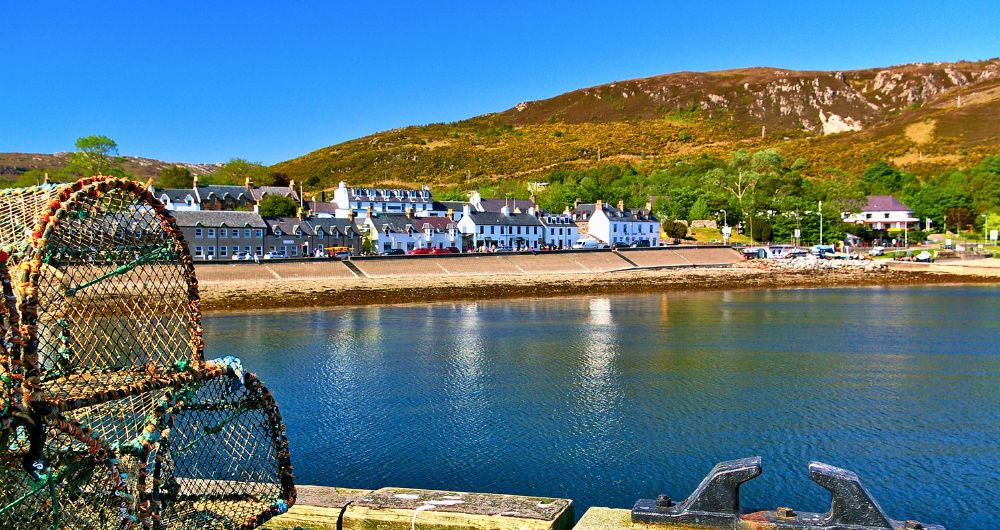
Ullapool and the North West
Ullapool serves as the principal town for the north-west mainland, supporting schools, healthcare and ferry services to the Outer Hebrides within a close-knit community. Beyond Ullapool, Assynt and settlements such as Lochinver and Durness operate at a smaller scale, with housing typically comprising individual rural properties set within open and sparsely populated terrain.
Travel distances are greater in this part of the West Coast and infrastructure more limited than in larger centres, both of which influence how local property markets function.
Wester Ross and Skye
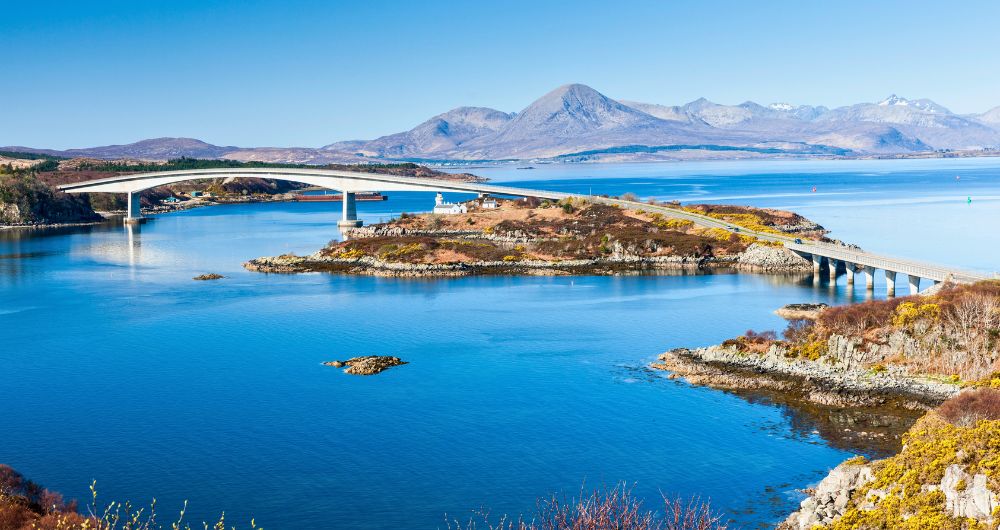
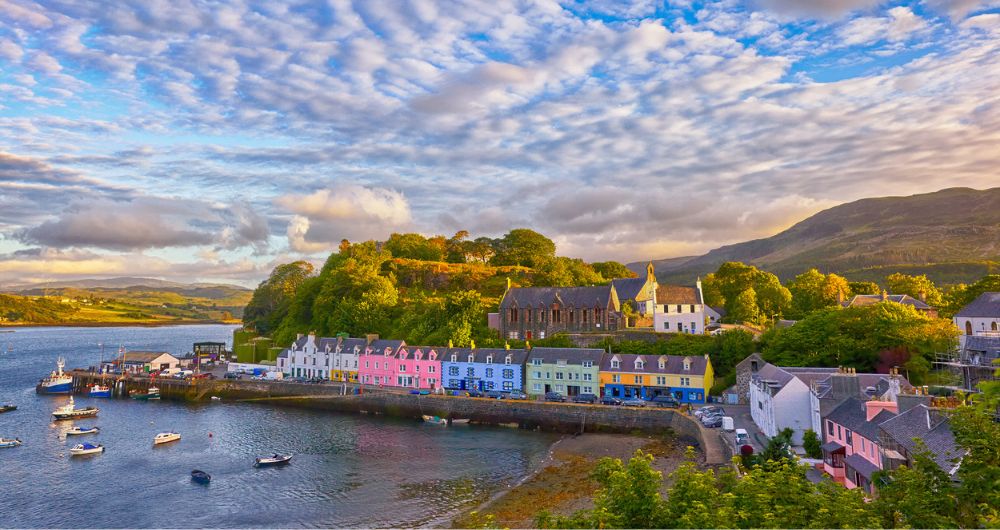
The Isle of Skye maintains an active property market, with Portree and Broadford providing everyday services alongside a wider spread of rural communities. The Skye Bridge at Kyle of Lochalsh and ferry connections from Mallaig ensure the island remains well connected to the mainland.
On the adjacent mainland coast, Wester Ross includes Gairloch, Torridon and Applecross, where property ranges from traditional cottages to architect-designed homes overlooking sea lochs. Availability varies significantly depending on location and accessibility.
Lochaber Peninsulas
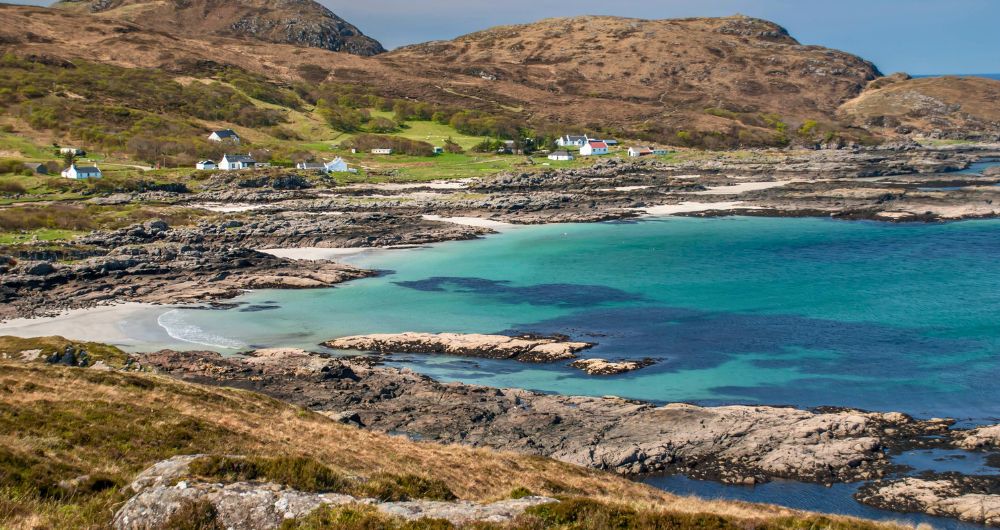
Between Skye and Fort William the coastline becomes more intricate, extending into the peninsulas of Ardnamurchan, Moidart, Sunart and Knoydart. These areas support smaller communities where sea lochs, single-track roads and long travel distances shape daily life.
Property here is typically individual in character, ranging from traditional croft houses and cottages to modern homes positioned for privacy and coastal views. For buyers seeking seclusion within striking landscapes, these peninsulas offer some of the most distinctive residential settings on the West Coast.
SOUTH WEST COAST
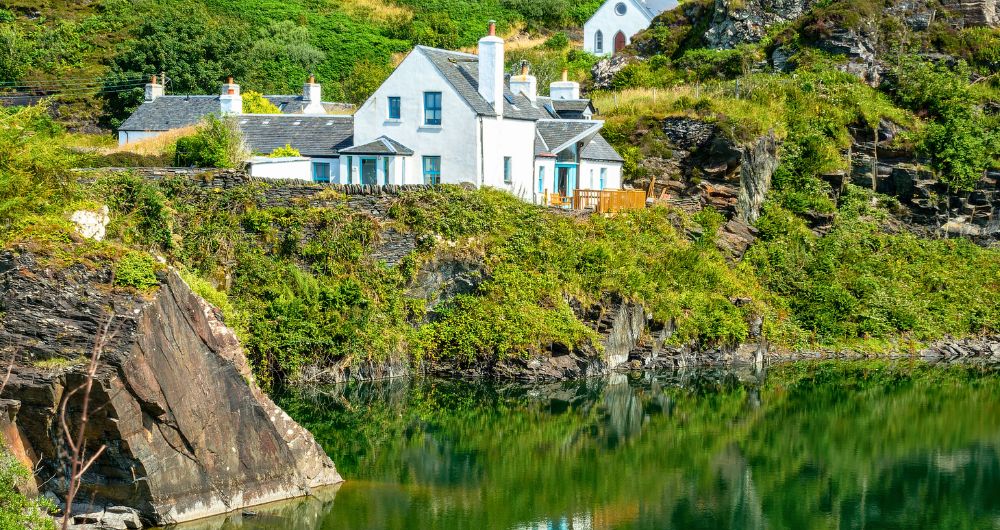
Further south the coastline transitions into the communities of Lochaber and Argyll, where larger towns provide established service centres for surrounding rural areas.
Fort William and Oban both support employment, schooling and transport connections, making them important anchors for residential life along the West Coast. Beyond these towns the coastline continues through peninsulas and island communities where ferry routes, sea lochs and smaller settlements shape the rhythm of everyday life.
Fort William and Lochaber
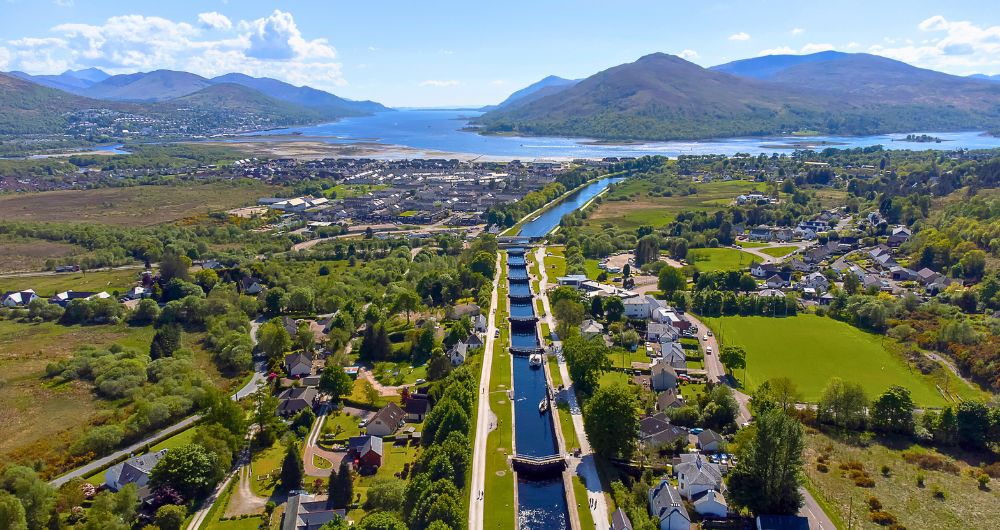
Fort William serves as the principal centre for Lochaber, providing employment, schooling and transport connections across a wide rural catchment. The A82 and rail line maintain strong links to the wider network, while villages such as Spean Bridge, Glencoe and Ballachulish offer quieter residential environments nearby.
Housing ranges from traditional town properties and modern family homes to rural houses positioned within some of Scotland’s most dramatic mountain and loch scenery.
Oban
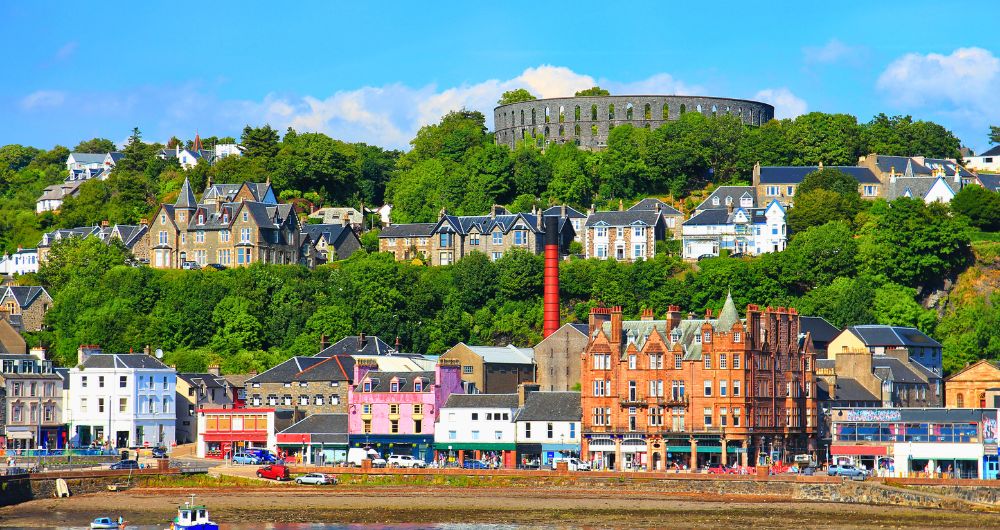
Oban has long earned its reputation as the “Gateway to the Isles”, a working harbour town with genuine depth and year-round vitality. Ferry connections, a strong range of shops, schools and services, and steady local employment make it one of the more practical places to establish roots on the West Coast.
Housing is varied, ranging from Victorian villas overlooking the bay to modern developments and rural homes on the town’s outskirts. This combination of coastal character and practical infrastructure helps sustain consistent demand.
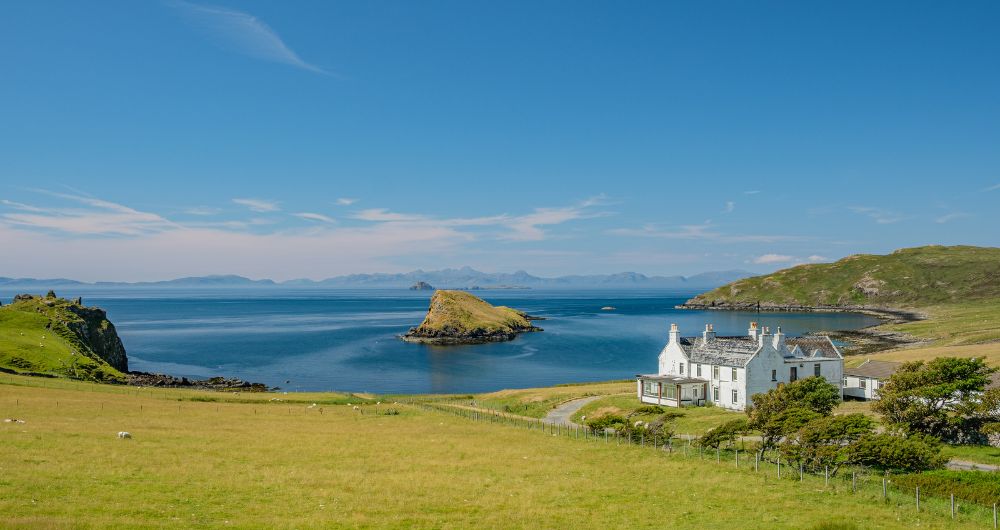
THE HEBRIDES
The Hebrides form a defining part of Scotland’s west coast, stretching from the Inner Hebrides close to the mainland to the more remote Outer Hebrides further into the Atlantic.
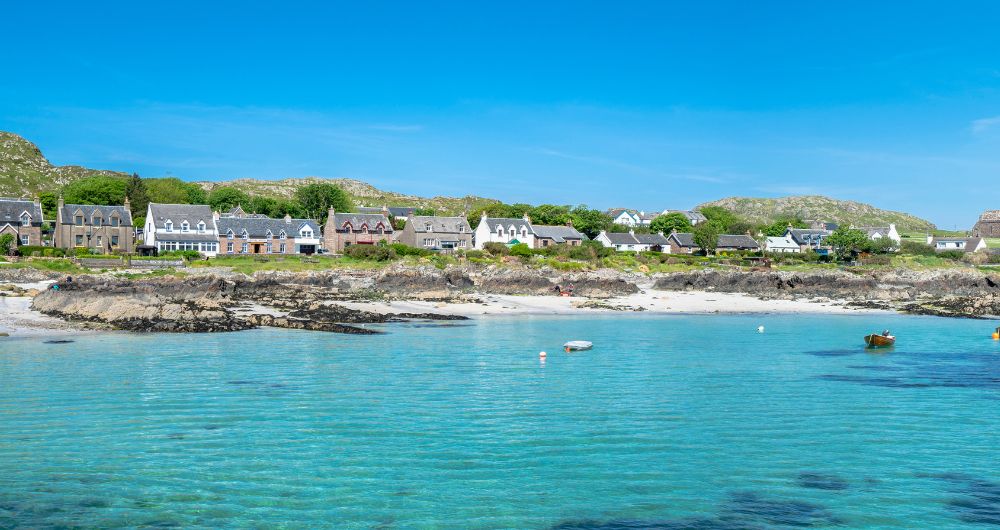
These island communities are connected to the mainland through ferry routes and regional flights, with each island maintaining its own distinct character and housing stock. Property ranges from traditional croft houses and cottages to contemporary coastal homes. Infrastructure, schooling and services vary between islands, making connectivity and access to mainland centres important considerations for buyers.
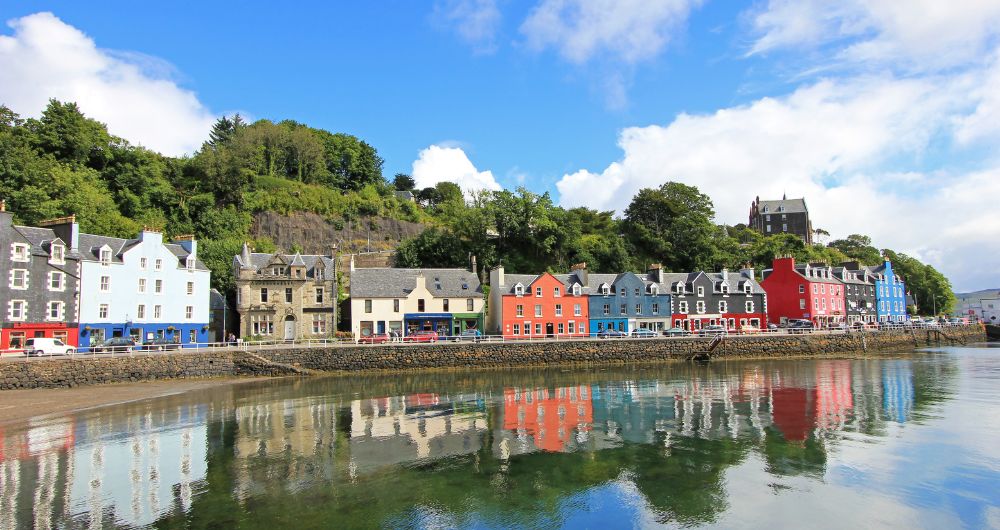
The Inner Hebrides
The Inner Hebrides include islands such as Mull, Skye and Tiree, each connected to the mainland by established ferry services or bridges.
These islands support long-standing communities and a range of property types, from traditional cottages and croft houses to modern coastal homes. Buyers often consider connectivity, schooling and access to services alongside the appeal of island living.
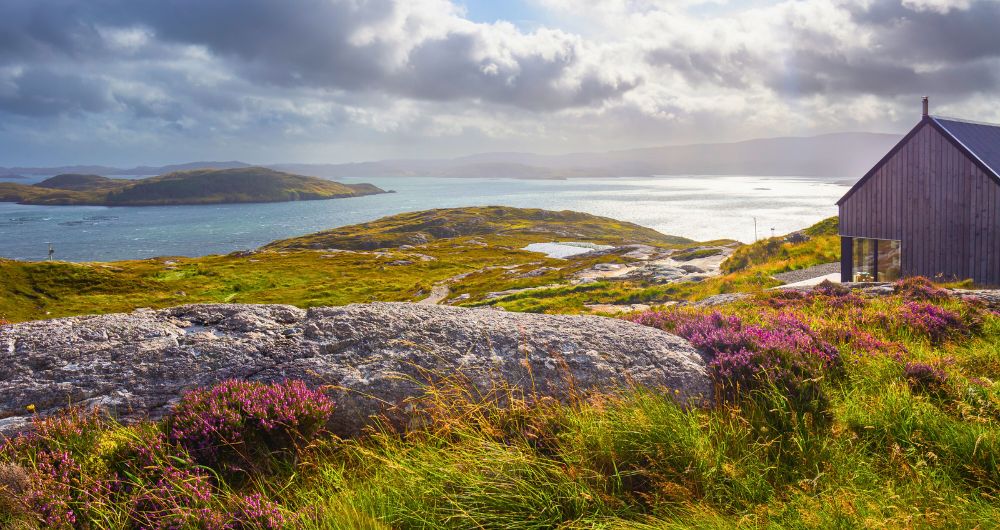
The Outer Hebrides
The Outer Hebrides extend from Lewis and Harris through North and South Uist to Benbecula and Barra. Stornoway operates as the principal service centre, supporting healthcare, education and transport links for the wider islands.
Property ranges from traditional croft houses to modern homes in exposed coastal locations, where supply can be limited and well-positioned properties often attract strong interest.
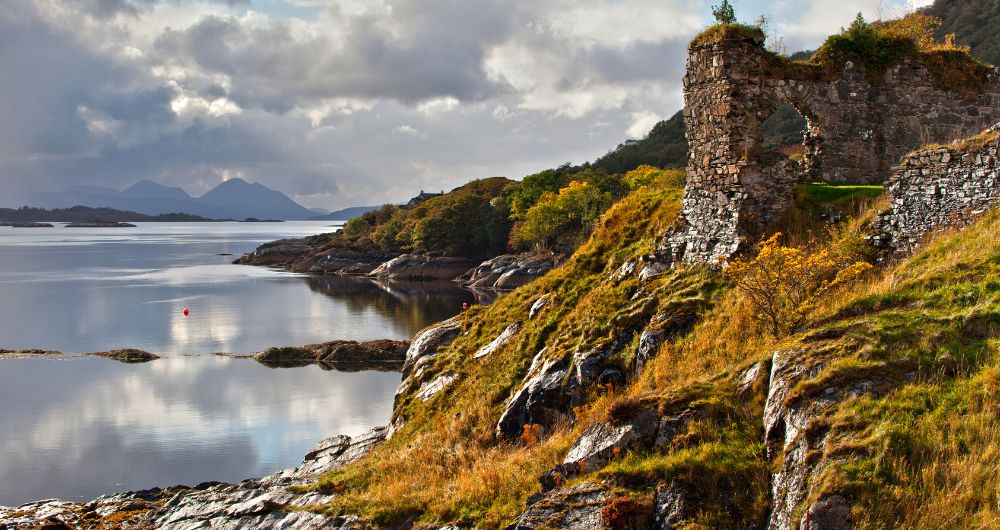
Coastal towns and peninsulas
Beyond the main towns, the west Highlands include numerous smaller coastal settlements and peninsula communities with distinct identities. Areas such as Morvern, Lochalsh and the mainland around Lochcarron offer quieter patterns of living shaped by sea lochs, single-track roads and dispersed rural housing.
Properties here are often individual in character, ranging from traditional cottages and croft houses to architect-designed homes positioned along the coastline.

Schools and Education
Education provision reflects the scale and distribution of settlements across the region. Larger towns including Oban, Fort William and Ullapool support both primary and secondary schools, while smaller communities typically offer local primary education with secondary pupils travelling to a regional centre.
On Skye and in parts of Lochaber, secondary education remains locally accessible, whereas more remote peninsulas and smaller islands often require longer daily journeys. For families relocating to the West Coast, catchment boundaries and travel times form an important part of the decision-making process.
Finding the right place
The West Coast of Scotland rewards careful research and genuine local knowledge. From the north-west mainland through Wester Ross, Skye and Lochaber to the communities of Argyll, each area offers a different balance of services, landscape and pace of life.
Garrington’s property finders combine detailed regional knowledge with a clear understanding of how these varied markets operate, representing buyers exclusively and helping clients identify opportunities both on and off market.
Get in Touch